

Welcome to Here for Vanity - sharing all things self-care, anti-aging, and beauty for navigating the glow-up after 40.
Glad you're here!
Learn more
This post is about how to fix patchy makeup, especially for those seeing skin changes with aging.
Patchy, uneven, or separated makeup is common. However, If you feel like your makeup is more patchy than usual, you’re not alone – many women over the age of 40 experience patchy makeup as their skin changes with aging.
I went through dozens of techniques and products before I found out how to fix patchy makeup. The good news is that this issue is fixable, and spoiler alert: it all starts with your skin.

This post may contain affiliate links. This means I may earn a small commission if you purchase a product through my link at no extra cost to you. All items are carefully curated by me and reflect my honest opinion.
Let’s dive into why your makeup looks patchy and how to prevent patchy makeup in the first place.
Skin texture changes with age, often becoming drier due to sun damage and hormonal shifts. This can result in patchiness when applying makeup.
The fix:
Assess if your skincare needs have changed. For example, if you’re typically combo skin, you may have started shifting to a dryer skin type.
Regardless of skin type, regularly moisturizing, hydrating, and using a primer can help create a smoother surface for makeup.
Related: Ultimate Skincare Essentials
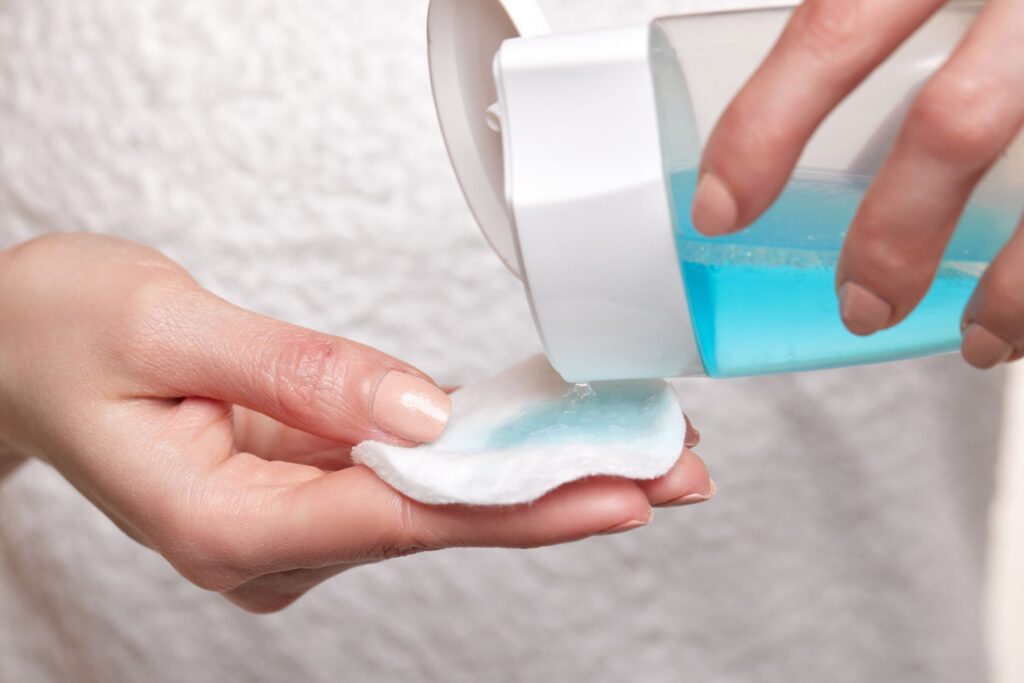
Lack of exfoliation can cause dead skin cells to accumulate on the skin’s surface, leading to uneven makeup application.
As we get older, the skin’s natural ability to shed dead cells and regenerate new ones slows down. This process, known as cellular turnover, decreases significantly after age 40.
As a result, dead skin cells build up on the skin’s surface. When makeup is applied over this layer, it tends to get patchy and uneven.
The fix:
Regular and gentle exfoliation can help overcome this problem. It promotes a smooth, fresh skin surface that allows for even makeup application.
Aim to exfoliate your skin 1-2 times per week.
Top Picks:
Retinol is a must-have in anti-aging, but it can make your skin sensitive and flaky.
This was the culprit behind my patchy foundation.
I finally discovered that every couple of days after using retinol, my makeup always separated and looked patchy. I couldn’t figure out why.
The fix:
If retinol makes your skin flaky, try sandwiching it with a moisturizer to reduce irritation. Or, cut back on the number of days you’re using retinol.
Top Picks:

Your internal state will reflect on your skin. Dehydrated skin may absorb makeup, leading to patchiness.
The fix:
Drink plenty of water (consider adding electrolytes) and increase your water intake if you consume caffeine.
Top Picks:

I’m guilty of this. But, I’ve learned through experience that letting each skincare product dry before applying the next is essential.
If you don’t give them enough time to sink into your skin before putting on makeup, it could affect how your makeup looks.
The fix:
Let your skincare fully absorb before applying makeup, usually around 5-10 minutes after applying them.
If you’ve hydrated, moisturized, and thoroughly optimized your skincare routine and you’re still seeing flakiness, it might be because of these reasons:
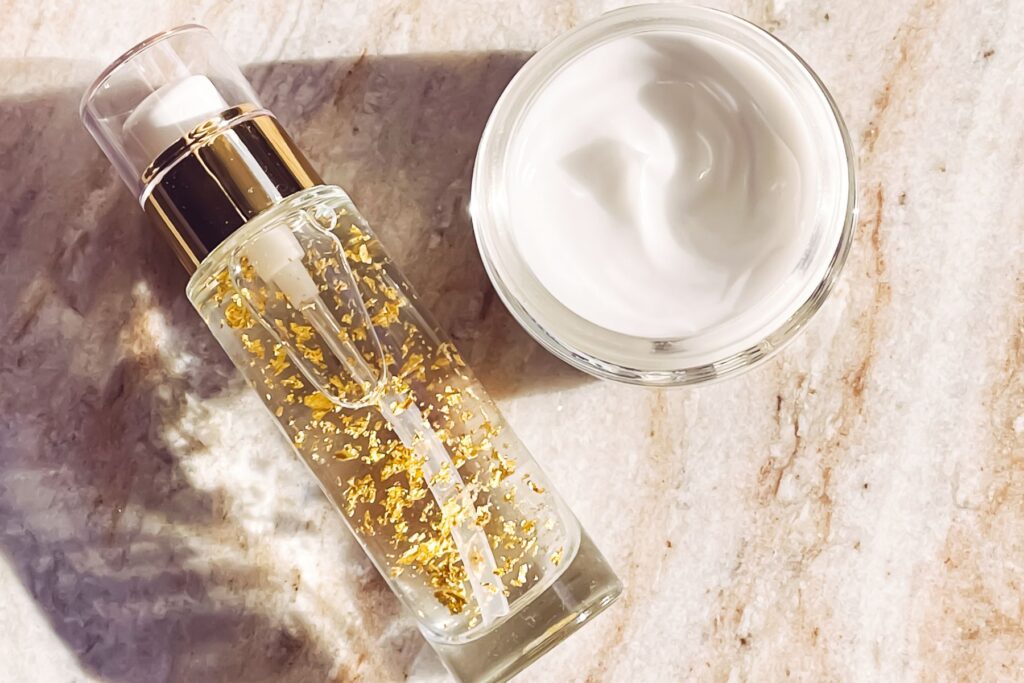
Primers create a smooth canvas for makeup by filling in pores and smoothing out uneven texture. They also help control oil production and extend the wear time of your makeup.
I’ve never been into primers. I’ve always used my everyday skincare as a primer. However, I get a nice, even, and long-wearing result when I use a silicone-based primer and foundation.
The fix:
Try out a primer that works for your skin type. Let the primer sink into your skin before going in with your foundation.
Top Picks:
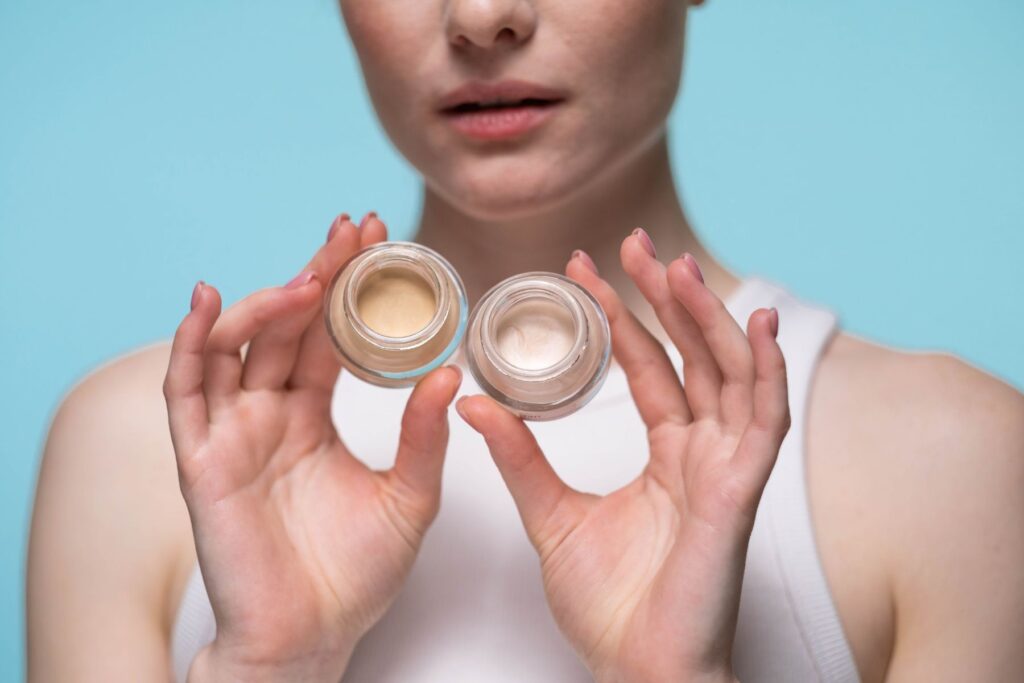
Certain makeup products may not work well together, leading to patchiness.
Silicon-based products work well with other silicone-based products. In contrast, you should pair water-based products with other water-based products.
Mixing the two can cause separation or pilling. The silicone creates a barrier that water-based products can’t penetrate, leading to an uneven finish.
The fix:
You can prevent patchy makeup and make your makeup stay on longer by ensuring your products are compatible.
Check the ingredients of your products. If they list water (aqua) or silicone (commonly ending in -cone or -siloxane) as the first ingredient, this is usually a good indicator of the formula’s base.
My favorite foundation which seem to work well regardless of product mix are:
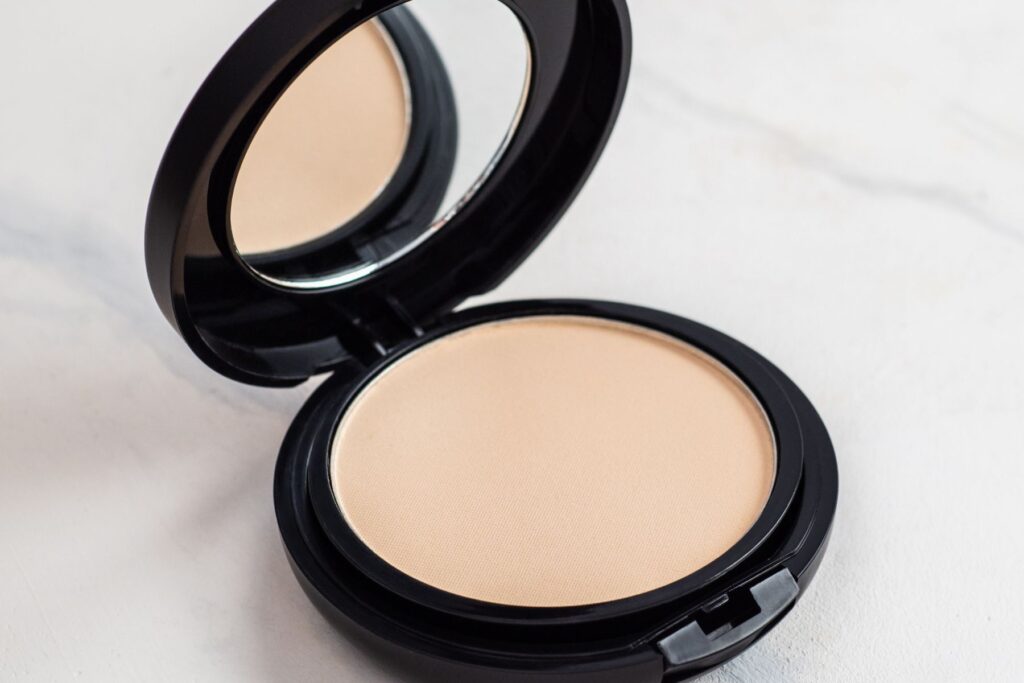
We’re not talking about baking here. A really thin layer of translucent powder can help maintain the integrity of your makeup, preventing it from creasing or wearing off unevenly throughout the day.
The fix:
Dust a light layer of powder on top of your makeup. I like to use a fluffy brush and tap off the excess before applying.
Setting powder is especially important if you tend to touch your face a lot. But remember to apply setting powder sparingly to avoid a cakey look.
Top Picks:
Skin will continue to change throughout the aging process. That should give insight into what causes patchiness and how to fix patchy makeup.
It all starts with skin – the right products, application, and hydration for glowing skin from the inside out.
Tried, tested, and loved.

Mario Badescu Glycolic Acid / Elemis Resurfacing Facial Pads / Lancome Primer / Glow Recipe Dew Drops / Lancome Foundation / Maybelline Powder / Beauty Blender


