
Welcome to Here for Vanity - sharing all things self-care, anti-aging, and beauty for navigating the glow-up after 40.
Glad you're here!
Learn more
Looking for the best anti-aging hair care for healthy, shiny hair? We have you covered!
This post may contain affiliate links. This means I may earn a small commission if you purchase a product through my link at no extra cost to you. All items are carefully curated by me and reflect my honest opinion.
After I hit 40, I started noticing big changes. Around 38, after having a baby, my once full, thick hair (I actually used to pay to get it thinned!) became brittle, thinner, and overall lackluster.
Volumizing products and deep conditioners that promised shiny, healthy hair just made it greasy or limp. And don’t even get me started on Olaplex or K-18—they made things worse!
I wanted clean, bouncy hair with shine and movement, but I wasn’t willing to spend hours styling because I was impatient. Nor did I want to waste more money on products. My bathroom was already overflowing with hair product rejects. So, I dove into the science of hair care and tested products that actually worked.
Determined to revive my hair without the trial and error of more useless products, I discovered a few key solutions that finally made a difference. Let me share what really worked for me.
First, let’s understand how the hair ages and why it changes appearance as we get older.
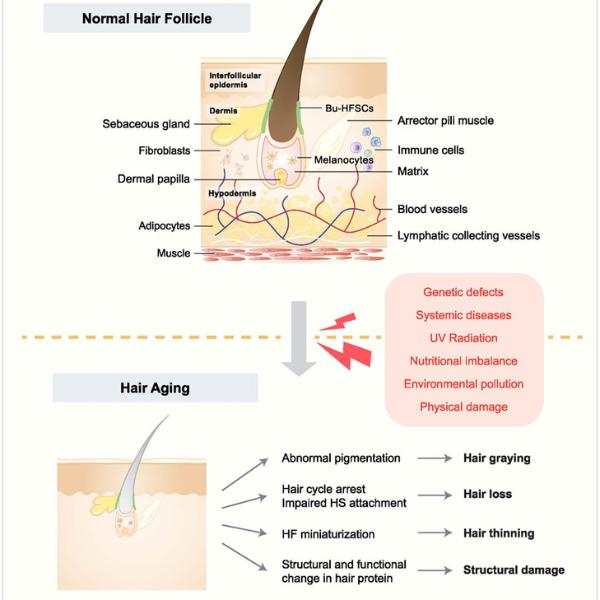
As we age, the hair changes due to decreased melanin production, slower cell regeneration, and hormonal shifts.
The reduction in melanin leads to graying, while a decline in collagen weakens hair structure, making it thinner, more brittle, and prone to breakage. The scalp also produces less natural oil (sebum), which can lead to dry, dull hair.
In addition, studies show that hair density, or the diameter of the hair shaft, typically decreases in the late 30s to early 40s.
A full study on the science behind hair aging can be found here: “A Comment on the Science of Hair Aging.”
Since there’s so much marketing in the beauty industry, it’s hard to determine what makes hair healthier. It leads consumers to waste time and money on ineffective products (ahem…me!).
Here are some common misconceptions you should be aware of:
Many people are drawn to natural ingredients or shampoos without sulfates, thinking they’re automatically good for hair. While some can help, not all live up to the hype. It’s always best to look for products backed by real evidence.
Hair growth starts at the scalp, so trimming only helps keep ends healthy—it doesn’t speed up growth.
Thin hair is primarily genetic and is caused by aging. Oils can add temporary shine and moisture but won’t actually thicken or restore thinning hair. These oils often sit in the hair, weighing it down, which can cause further damage.
There’s a common belief that washing your hair every day strips it of natural oils, but this isn’t true for everyone. Skipping too many washes can lead to product buildup, clogged hair follicles, and an unhealthy scalp, which can exacerbate issues like dry or oily scalps. The key is finding a washing routine that works for your hair type and keeps your scalp healthy—not following a one-size-fits-all rule.
Reviving aging hair starts at the root—literally. Since the hair you see is dead, the real key to healthier, stronger hair is caring for your scalp.
A healthy scalp creates the ideal environment for new hair growth.
Healthy hair starts with a clean scalp. Regular scalp care, which includes massages, gentle exfoliation, and hair products that improve circulation, like those with caffeine or niacinamide, can help stimulate hair growth.
Healthy hair starts from within and needs vitamins and minerals to grow strong. Nutritional deficiencies can lead to thinner hair and increased hair loss. Getting enough protein, collagen, iron, zinc, and vitamins like biotin and D can really help support hair health from the inside out. And drink plenty of water!
Reducing inflammation is just as important. Leafy greens, berries, green tea, and fatty fish for essential fatty acids can help reduce inflammation and support healthy hair growth.
Related: The 12 Most Powerful Anti-Aging Superfoods for Women Over 40
High cortisol levels can trigger hair loss. Incorporating stress-reducing habits like exercise, meditation, and self-care can benefit both your overall health and hair growth.
Products containing minoxidil or peptides are clinically proven to support hair growth and increase density. Retinol on the hairline has also been shown to improve hair growth (study: here). Consistency is key for these treatments to work.
I was surprised by how effective LED light therapy can be for hair! I’ve reviewed it in detail, so check out my full review if you’re curious: HairMax LaserBand Review: Does It Actually Help With Hair Growth?
This treatment uses specific light wavelengths to stimulate hair follicles, improve blood circulation, and reduce scalp inflammation. Red light therapy, especially, helps boost cellular energy and supports hair growth. With regular use, you’ll see healthier, faster hair growth.
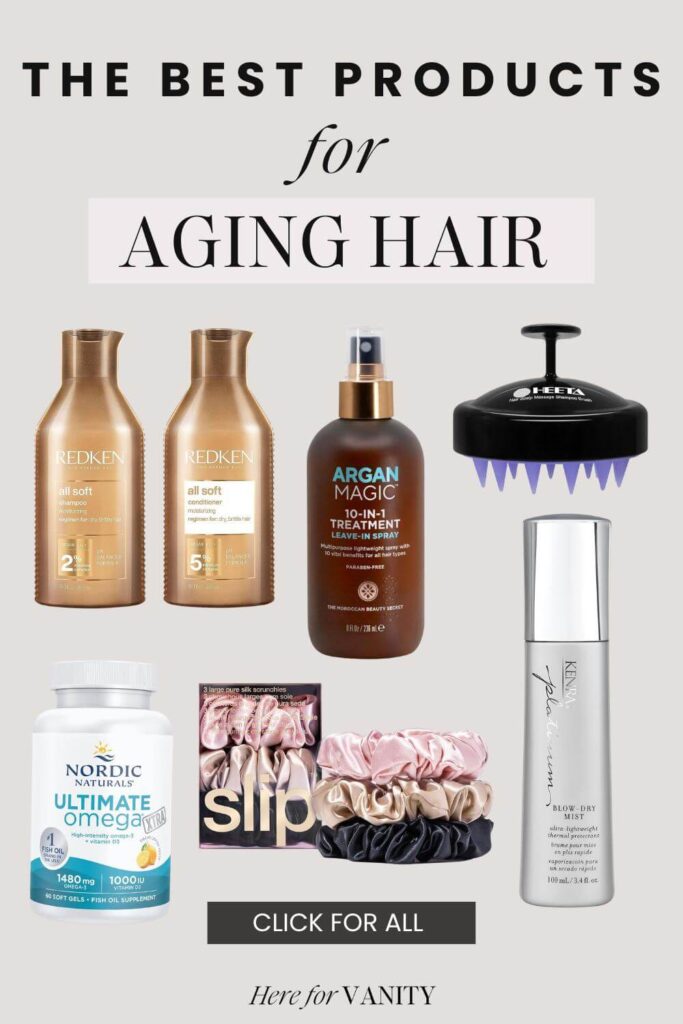
Quality products can make a big difference in how your hair looks. Aging hair often becomes dry and brittle, so choose nourishing shampoos, conditioners, heat protectants, and a good leave-in treatment to add moisture and shine.
While these products won’t stop the aging process, they can help your hair look healthier and more vibrant. Different hair types have unique needs, so choose hair care products tailored to your hair texture for the best results.
Tight ponytails can damage hair over time. Constant pulling can lead to traction alopecia, where hair starts thinning or falling out along the hairline. To keep your hair healthy, wear looser styles and use hair ties that don’t pull or snag. When detangling wet hair, use a wide-toothed comb to prevent breakage. Your hair will thank you!
Here are our top picks to support healthy hair.
Aging hair is a part of life, but the right approach can definitely improve its look. Focus on a balanced diet, manage inflammation, and try LED light therapy. Find what works best for you and weave it into a personalized anti-aging hair care routine.


