
Welcome to Here for Vanity - sharing all things self-care, anti-aging, and beauty for navigating the glow-up after 40.
Glad you're here!
Learn more
Starting a tretinoin skincare routine can feel like diving into uncharted waters. I’ve been there. It took me a while to finally get a good tretinoin routine down. I started retinoids at 35 years old and it took me nearly 5 years (!) to find what worked for my skin.
I’ll guide you through the basic and share everything I learned along the way. You’ll learn how to use it, about side effects, and the best routine. It will make your skin glowy without irritation.
This post may contain affiliate links. This means I may earn a small commission if you purchase a product through my link at no extra cost to you. All items are carefully curated by me and reflect my honest opinion.
Tretinoin is like the anti-aging superhero of skincare ingredients!
It’s a powerful form of vitamin A that works wonders for your skin by speeding up the turnover of skin cells.
This turnover not only helps smooth out wrinkles and fade dark spots, but also gives your skin a more even tone and texture.
Plus, it’s like a boost for elastin and collagen production, making your skin firmer and more youthful.
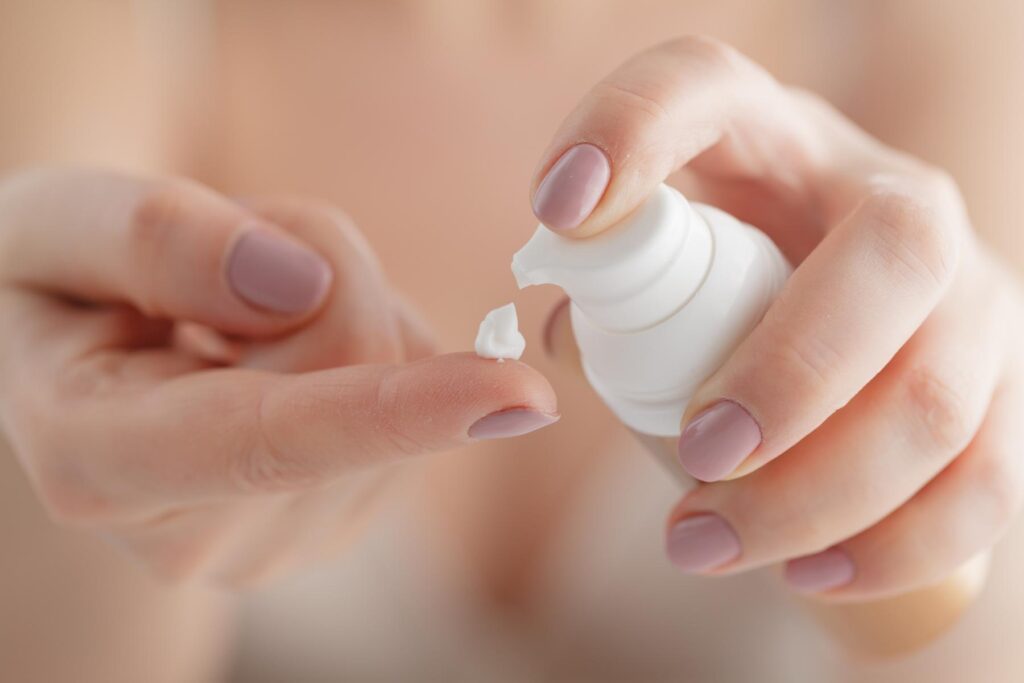
Tretinoin is the stronger, prescription-strength version of vitamin A, while retinol is available over the counter.
They both work by speeding up cell turnover and boosting collagen, but tretinoin packs a bigger punch.
It’s more effective at treating acne, fine lines, and hyperpigmentation, but it can also be more irritating, especially at first.
Retinol, on the other hand, is gentler and better suited for beginners or those with sensitive skin.
Many hail tretinoin as the gold standard, but retinol is a great option if you have sensitive skin or lack access to tretinoin.
Personally, I alternate between prescription tretinoin and the ROC retinol cream.
Related: 11 of the Highest Rated Drugstore Retinol Products of 2024
Topical tretinoin has been proven effective for skin aging and other skin concerns.
Some of the best benefits:
Tretinoin targets hyperpigmentation, helping to fade sun spots and dark spots caused by sun damage, acne scars, or melasma.
Tretinoin has been shown to build collagen. It helps to improve skin elasticity, firmness, and texture which reduces the appearance of wrinkles and lines.
Tretinoin unclogs pores, reduces inflammation, and regulates skin cell turnover, making it an effective treatment for acne and preventing future breakouts.
Tretinoin promotes the shedding of dead skin cells and encourages the growth of new ones, resulting in smoother skin and diminished fine lines and wrinkles over time.
Because tretinoin increases the skin’s cell turnover more, it’s great at improving skin tone and reducing rough skin or skin texture.
Almost everyone (unless you’re pregnant).
There is no specific age requirement for using tretinoin. But, it’s usually recommended for adults who have acne, signs of aging (like fine lines and wrinkles), or hyperpigmentation.
If your goal is anti-aging or reversing the signs of aging, Tretinoin is the gold standard.
Yes.
Researchers have looked extensively at topical retinoids for their anti-aging benefits. Research shows that, when used correctly, tretinoin is effective and has few side effects.
Of course, use tretinoin as directed and take steps to reduce potential side effects such as irritation and sun sensitivity.
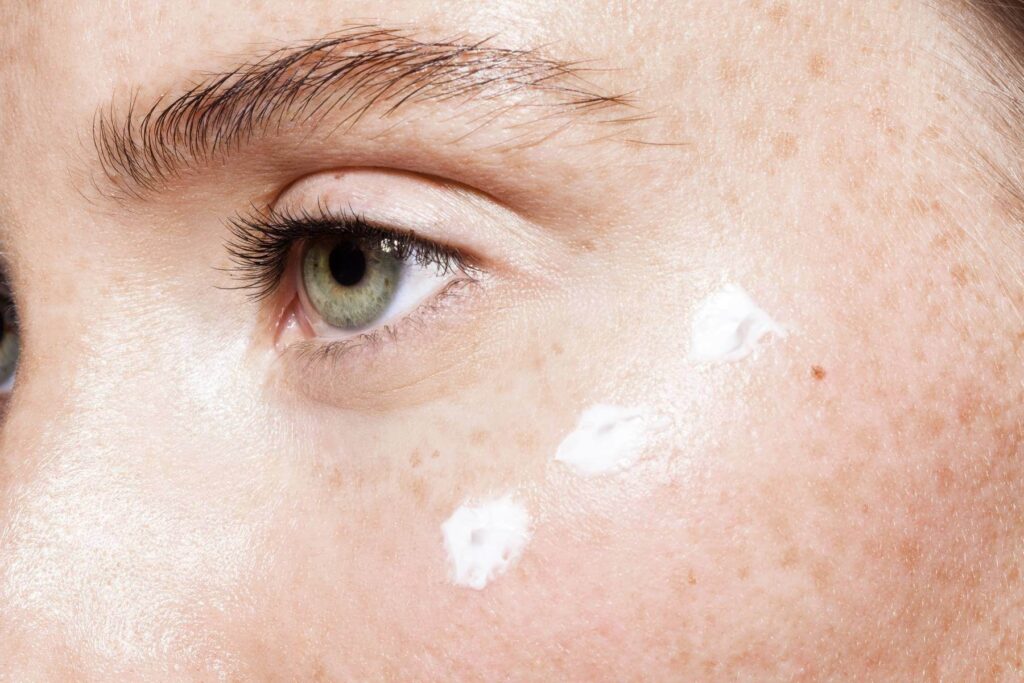
Tretinoin has stirred up some debate because it can be a bit tough on the skin barrier, causing dryness and irritation for some.
That’s why some experts suggest checking out retinaldehyde—it’s like a milder alternative that still gets the job done without irritation. In fact, studies have proven the effectiveness of retinaldehyde:
“The effect of 0.05% retinaldehyde in 32 female volunteers showing symptoms of mild to moderate photoaging. At the end of 4 months, a considerable reduction in the surface roughness and coarse wrinkling was observed. Moreover, retinaldehyde treatment was associated with very few adverse effects.” Source
There are other ways you can reduce irritation, too (more on that later).
But, as always, consult with a skincare pro to figure out what’s best for your skin.
For anti-aging, expect to see results after at least six months of consistent Tretinoin or Retinol use. For acne treatment, you may see results in as little as two months.
Did you know that you can customize your Tretinoin? My dermatologist prescribed a very low dose (.25%) of hyaluronic acid and niacinamide.
Even with that lower concentration and moisturizing ingredients, I still get skin dryness a couple of days after using it. So, starting with a low concentration and working up might be worth it.
If you’re new to tretinoin, it’s important to start slow. Here’s a step-by-step evening tretinoin skincare routine to get started.
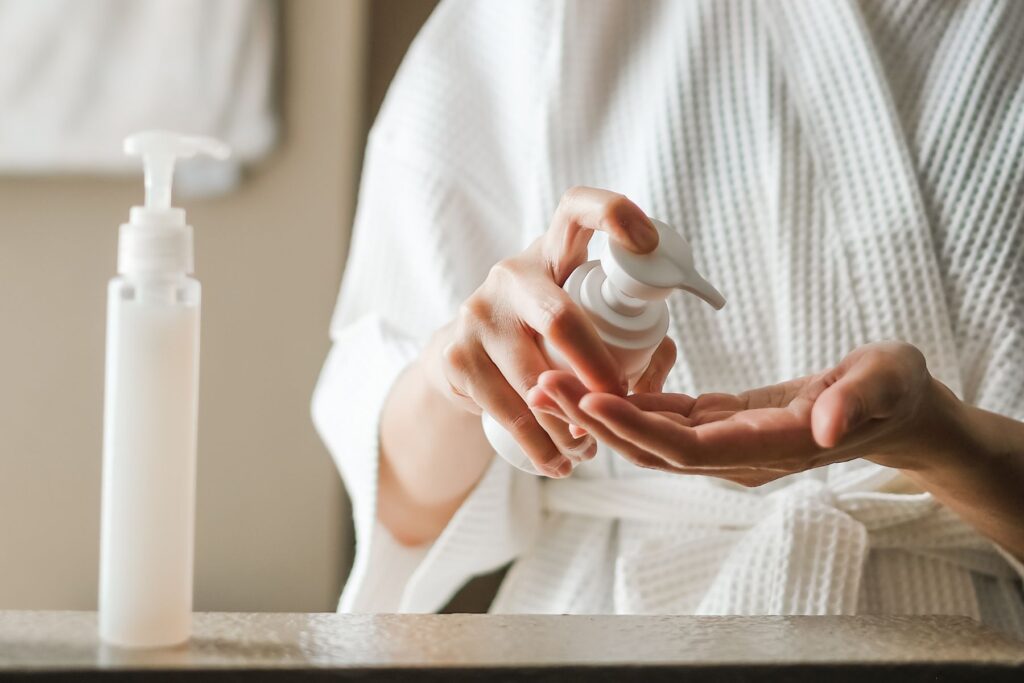
For best results, I like the slow, skin cycling approach with Tretinoin.
Skin cycling means using tretinoin every other day. On the other days, use gentle products like moisturizers, acids, or nothing.
This method helps to reduce irritation and is especially helpful for sensitive skin.
Plus, it allows you to incorporate other actives into your routine without causing irritation.
Monday: Tretinoin day
Tuesday: Moisturizer only day
Wednesday: Acid day
Thursday: Tretinoin day
Friday: Moisturizer only day
Saturday: Acid day
Related: The Ultimate Skincare Essentials List For Women Over 40
Here are a few top tips and reminders when introducing tretinoin!
Gradually introducing tretinoin helps your skin adapt. It reduces the risk of irritation and lets you transition to regular use more smoothly.
Tretinoin breaks down in sunlight, so applying it at night ensures maximum potency and minimizes the risk of sun sensitivity.
Tretinoin increases skin sensitivity to UV radiation. This makes daily sunscreen crucial because it protects against sun damage and prevents premature aging.
Moisturizer hydrates and protects the skin barrier, reducing irritation and dryness from tretinoin use.
Tretinoin takes time to see results, as it works by gradually renewing the skin from within.
There are great retinol products on the market that can be used if you don’t have access to Tretinoin OR can’t tolerate tretinoin.
Combining tretinoin with other actives, such as benzoyl peroxide, salicylic acid, glycolic acid, etc., can irritate the skin and harm the skin barrier.
Tretinoin can penetrate wet or damp skin more deeply, increasing the risk of irritation and sensitivity. Dry skin helps minimize irritation.
These areas are prone to signs of aging and can benefit from tretinoin’s effects on collagen production and skin cell turnover, ensuring a more uniform and youthful appearance.
A medical provider must prescribe Tretinoin. But, you can still get great results with over-the-counter retinol derivatives.
Here are a few of the best retinol products that you can purchase on Amazon:
See more of the best drugstore retinol products in this post.
Consistency is key when it comes to tretinoin and retinol use.
With consistent use 3+ times a week, tretinoin can reduce signs of aging and skin problems, including fine lines/wrinkles, dark spots, and laxity.
As always, get professional medical advice before starting your tretinoin journey!
Pin This Article for Later:


