

Welcome to Here for Vanity - sharing all things self-care, anti-aging, and beauty for navigating the glow-up after 40.
Glad you're here!
Learn more
Sugar and aging skin are more connected than we realize and it shows up in the form of wrinkles, dullness, and sagging skin.
Sugar and aging skin are tightly linked because excess sugar triggers glycation, a biochemical process that weakens the very proteins your skin needs to stay firm and youthful. Keep reading to find out how to reduce sugar and get that youthful glow.

This post may contain affiliate links. This means I may earn a small commission if you purchase a product through my link at no extra cost to you. All items are carefully curated by me and reflect my honest opinion.
I’ve always been into skincare: red light therapy, actives, Botox, the whole shebang. I use the devices, I stay out of the sun, and I drink the water. But here’s the part I didn’t want to deal with for a long time: my sugar habit.
Not exactly downing bags of candy, but more like the casual handful of chocolate chips while making lunch for the kids. The mid-morning coffee and sweet bite that somehow became a ritual. The “healthy” granola bar that’s basically a dessert in disguise, etc., etc.
And even though I eat clean most of the time and focus on anti-inflammatory foods, sugar still slips in. And over the years? You see it.
The fine lines deepen, and skin looks a little more tired. You start to wonder whether the firmness you’ve worked so hard to maintain is slowly being sabotaged by what you’re eating.
Today, we look at how sugar affects your skin and what you can do to reverse those effects: PMC.
So let’s talk glycation because this is the science behind why sugar ages your skin, and nobody tells you about it.
When you eat sugar, it binds to proteins in your body, including collagen and elastin, the stuff that keeps your skin plump and lifted. That binding process creates compounds called AGEs (Advanced Glycation End Products). And those AGEs? They stiffen and weaken your collagen. They make your skin sag, crease, and lose bounce.
Once those AGEs form, you can’t undo them. You can only slow down how many new ones your body makes.
Yes. And if you’re in your 40s, it can show up fast, especially around the eyes, mouth, and jawline.
One study found that women who ate more added sugar had a higher biological age than those who didn’t — even if their diet was healthy otherwise.
Sugar also spikes inflammation and worsens hormonal imbalances, both of which can affect skin clarity, collagen quality, and facial fat distribution. Study: Glycation and skin aging – PubMed

Cutting sugar isn’t just hard because it’s everywhere. It’s hard because sugar feeds certain gut bacteria that actually make you crave more of it.
The more sugar you eat, the more those microbes multiply. And they don’t stay quiet. They send signals through your nervous system to push you toward more sweets. Like a vicious cycle.
This study, for example, found that a high-sugar diet shifts the gut microbiome toward inflammation-promoting bacteria, which can disrupt metabolism, fuel cravings, and throw off the body’s natural balance. (source)
Also, fructose (sugar) is processed in the body almost exactly like alcohol. It overwhelms your liver, turns into fat, fuels inflammation, and over time can lead to things like belly fat, insulin resistance, and even non-alcoholic fatty liver disease. (Watch here)
So if you’ve ever tried to “just stop” sugar and felt like your willpower vanished, it wasn’t all in your head. Your microbiome was probably running the show.
The good news is that sugar-hungry bacteria start to die off quickly when you cut back on added sugar. After a few days, the cravings quiet down and your body gets back in balance. It gets easier, and your skin benefits too.
I’ve tried to cut sugar more times than I can count. Most attempts lasted a day or two before it crept back in. It’s still a work in progress, and I believe in balance, but here’s what actually helped me stick with it:
At first, there was a lot of rationalizing in my head. Is a little sugar really that bad? I eat well most of the time! But it was tough and honestly still is.
After only two days without added sugar, my energy went way up, and I felt more productive, more creative, and even lifted heavier in the gym.
Around days three to five, my sleep felt deeper and more restorative. Coincidence? Maybe, but it was noticeable. I got a “100” on my sleep score (huge win!).
By day seven to ten, my skin started to look brighter and more radiant. I felt a little brighter, and I could see a smoother, healthier texture.
It felt like my skin was finally reflecting what I was feeding it from the inside out. Reducing processed foods and added sugar helps reduce inflammation and limit the formation of advanced glycation end products (AGEs), which damage collagen and elastin in the skin.
Research shows that eating a diet lower in added sugar and richer in nutrients can be linked with younger biological age and healthier skin.
The goal here is mostly whole foods, antioxidant-rich, and full of protein, fat, and fiber. We’re not eliminating (except for processed sugar).
Also, consider adding tea throughout the day as it’s rich in polyphenols, which can future project against AGE damage.

Related: 21 Macro Friendly Snack Ideas
You can’t reverse glycation once it happens, but you can slow it down and support your skin’s repair process. Cutting back on sugar helps your skin retain collagen longer.
Combine that with a good skincare routine, consistent hydration, and sun protection, and you’ve got a powerful, sustainable anti-aging approach.
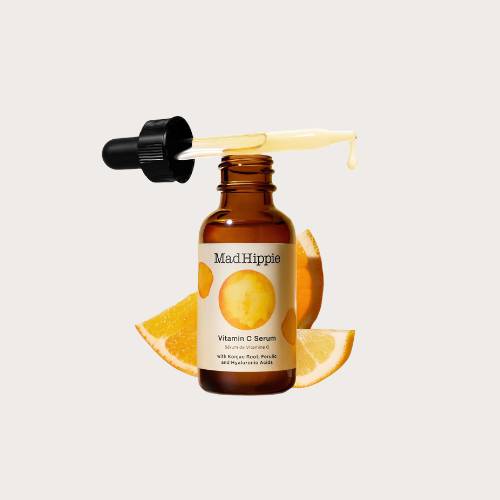
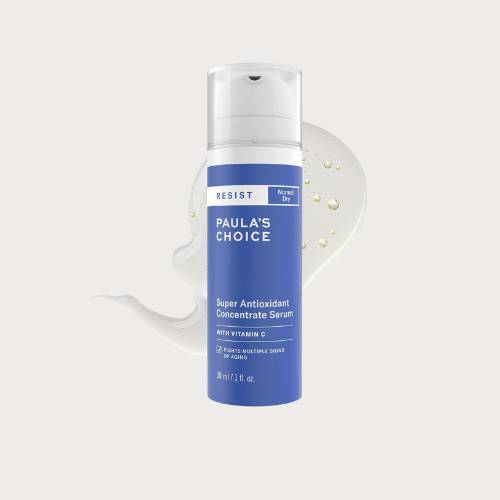
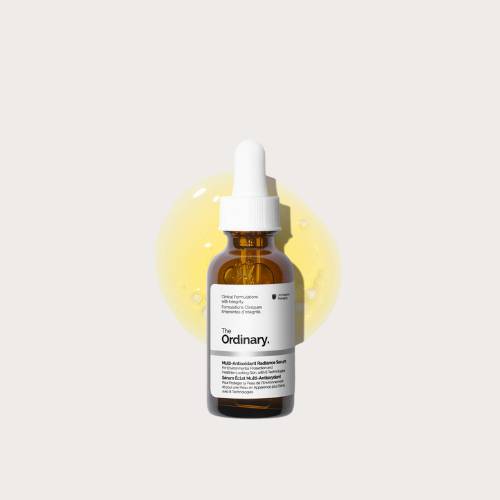
Plus, adding in skincare antioxidants like vitamin C, peptides, etc., also helps buffer glycation and calm inflammation too.
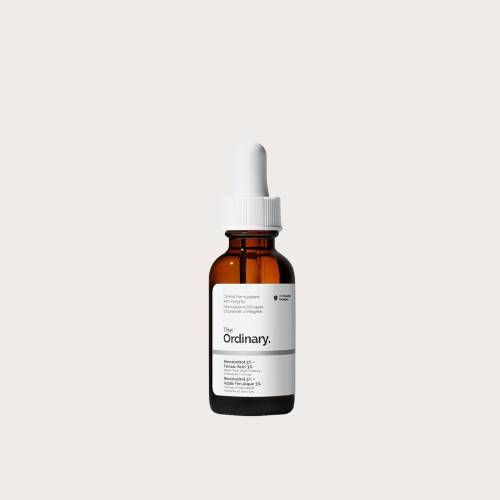
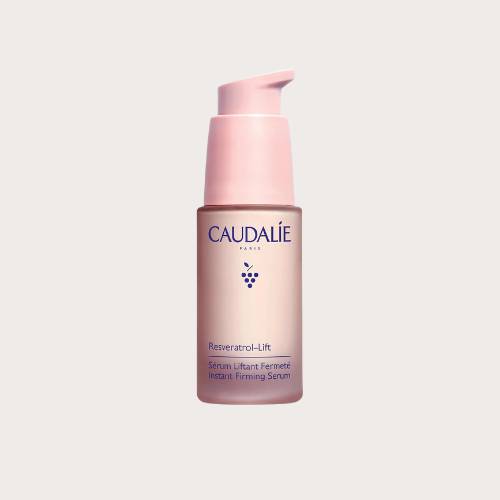
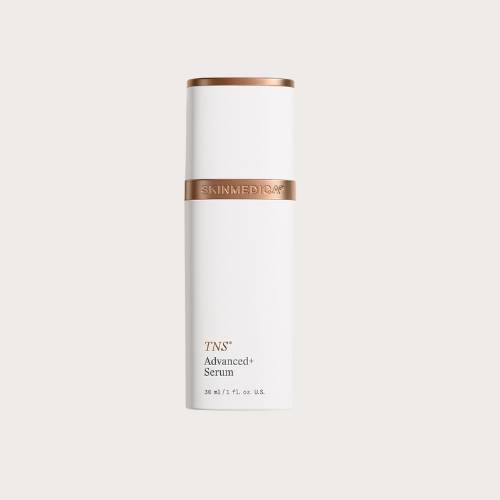
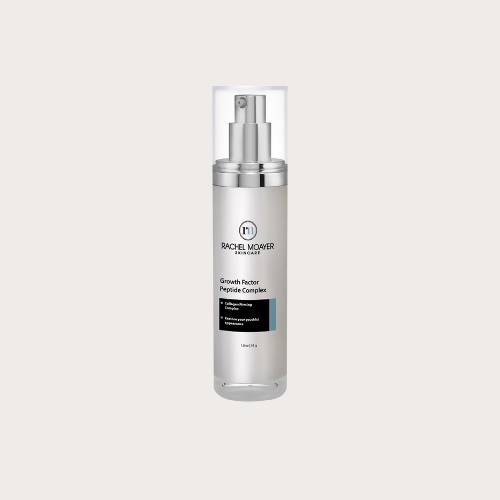
Look for ingredients like vitamin C to brighten and support collagen, niacinamide to smooth and even out tone, resveratrol to fight daily skin stress, and peptides to help your skin stay firm. Growth factors also help firm the skin.
These all help protect against the kind of damage that shows up as dullness, fine lines, and sagging , especially if glycation and inflammation have already started taking a toll. Here are my favorites:

Related: The Ultimate Skincare Essentials List For Women Over 40
Start small. Cutting back on sugar is one of the most overlooked strategies for improving aging skin from the inside out
Reduce added sugar where you can, focus on whole foods, and support your skin with antioxidant-rich products. The changes don’t have to be extreme to make a visible difference.
See more tips and routines on Instagram and Pinterest.


