

Welcome to Here for Vanity - sharing all things self-care, anti-aging, and beauty for navigating the glow-up after 40.
Glad you're here!
Learn more
If you’re looking for real blepharoplasty before and after results, not the polished clinic photos, you’re in the right place.
I’ll say this upfront: if you’ve been going back and forth on upper blepharoplasty, I’m going to make your decision very easy and say: just get it! The recovery is that manageable.
I had my upper blepharoplasty in February 2026 at 42 years old, and I’m sharing everything: the recovery timeline, the cost, and what the results actually look like.
If you’re somewhere in the middle of your own glow up and wondering where procedures like this fit in, The Glow Protocol is the full 12-week system I use. It’s worth downloading before you book anything.
This post may contain affiliate links. This means I may earn a small commission if you purchase a product through my link at no extra cost to you. All items are carefully curated by me and reflect my honest opinion.
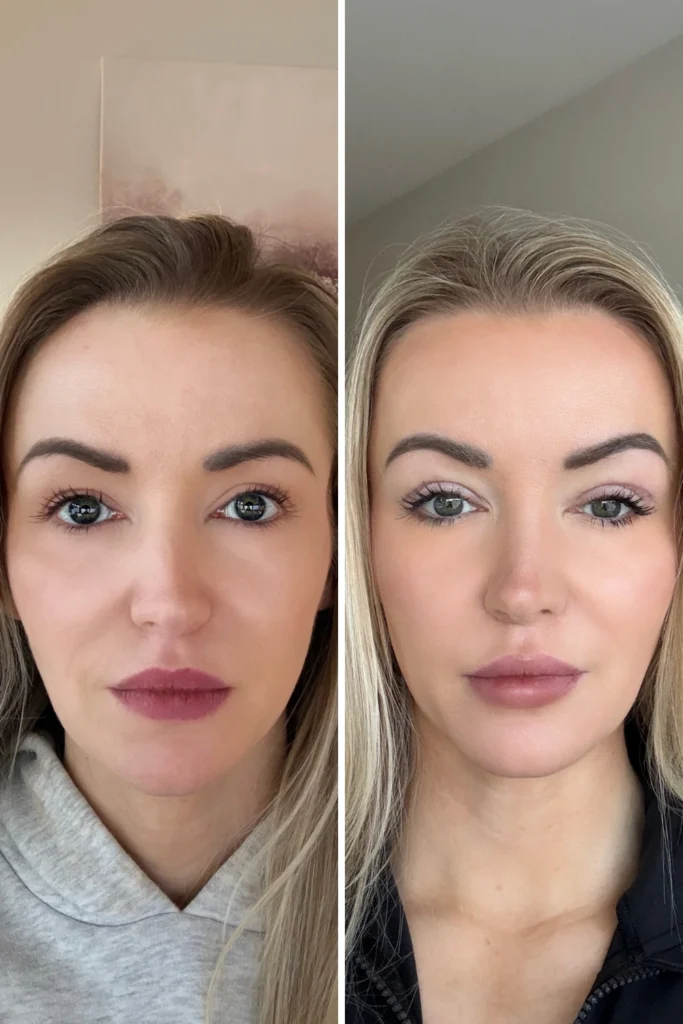
An upper blepharoplasty is a surgical procedure that removes excess skin from the upper eyelid. It can also involve removing or repositioning fat, though I specifically requested skin removal only.
It’s one of the more popular procedures for women over 40 because the results are subtle, the recovery is relatively quick, and it refreshes the eye area without looking overdone.
It’s different from a lower blepharoplasty, which targets under-eye bags. Upper and lower can be done at the same time, but I only had the upper done.
I’ve always had slightly hooded eyes. As I got older and the skin lost elasticity, the hooding got worse. The laxity was the part that actually started bothering me.
Day to day, it was making things harder. Winged liner was nearly impossible to do consistently and getting a good lash lift result was tricky because the skin was sitting on my lashes. I had been using Botox for a subtle brow lift to compensate, but it was getting harder to get that effect as my lids got heavier.
Dramatic transformation wasn’t the goal. I specifically asked that only skin be removed and that my surgeon keep it conservative. I’ve always had a prominent fat pad and wanted to keep it. I just wanted slightly more lid show and a little less laxity.
I also have asymmetric eyes and my left eye is smaller with more hooding, so I wanted that corrected if possible too.
I had two consultations in Portland, Oregon while I was still living there. Both surgeons recommended a skin-only blepharoplasty, and one also suggested a brow pexy to help balance my slightly droopier left eye.
I was interested in that option, but then I moved to Washington and had to start the search all over again. Everyone in the Pacific Northwest aesthetics community kept mentioning Dr. Yirae Ort in Bellevue, so that’s where I went.
The one caveat: she books out far. I waited about six months just to get a consult, then close to another six months or more for the actual surgery date. If you’re interested in her, start the process early and plan for at least a year out. The wait felt long at the time, but I wasn’t in a huge rush or anything so it worked out fine.
For everything I look for when vetting a surgeon, I covered it in detail in my post on how to choose a plastic surgeon. It’s worth reading before you book any consults.
This came up in my consult and it’s worth addressing because it’s one of the most common questions when you’re researching upper eyelid surgery.
During my consultation, Dr. Ort assessed my brow position and told me I didn’t need a brow lift. For me, the issue was purely excess skin on the upper lid, not a dropped brow. Blepharoplasty was the right call on its own.
That said, I’ll be honest: I kind of wish I had done a subtle brow lift at the same time. I asked about it and she said it was something we could revisit in the future, so it’s not off the table. But looking back, I think even a very conservative brow lift alongside the bleph would have felt complete to me. Something to think about if you’re in the consult phase.
if your brow has dropped significantly, a brow lift addresses that. If your brow position is fine but you have excess skin sitting on the lid, that’s a blepharoplasty. Some people need both. The only way to know is a proper in-person evaluation.
I started arnica and bromelain in the days leading up to surgery. Both help reduce bruising and swelling, and I had used arnica before with my lip lift so I knew they worked for me. I also focused on a whole foods, anti-inflammatory diet in the weeks before: no alcohol, lots of protein and vegetables, minimal processed food.
Nothing complicated…the goal was just to give my body the best starting point for healing.
I’ll be honest, I got cold feet right before surgery. There is no shortage of before and afters online that will send you into a spiral.
Mandy Moore’s transformation has been all over Reddit and TikTok, with surgeons weighing in on what looks like an overly aggressive upper bleph. Kenny Rogers is basically the blepharoplasty cautionary tale at this point. It’s a lot to scroll through when you’re a week out from surgery.
What brought me back: conservative was the plan from the start. Skin only, no fat, a surgeon with a reputation for restraint. The bad results you see online almost always come down to too much removed, wrong surgeon, or both.
Also: I didn’t have any botox for about 6 months before the procedure.
During my pre-op appointment, Dr. Ort flagged something I hadn’t heard of before: I had slight hollowness in my upper lids that could become more noticeable after the skin was removed.
It’s called an A-frame deformity, and it refers to a hollowing of the upper eyelid sulcus that can occur when fat is removed too aggressively, or when existing volume loss gets emphasized after surgery.
She told me she could correct it down the line with a small amount of filler or fat transfer. Fat transfer is the more permanent option, but the results are less predictable since it depends on how much fat survives. Filler is the more controlled approach and what she’d recommend if I decide to address it.
Post-surgery, I do notice a tiny bit of it. Nothing dramatic, and nothing I’d call a bad result. But it’s something I’m keeping an eye on.
If you’re over 40 and already have some natural volume loss around the eye area, it’s worth asking about this specifically at your consult. A good surgeon will assess it upfront rather than leaving you to figure it out after.
I arrived around 11am. No food beforehand and only a few sips of water, which surprised me given it was just local anesthesia and not general. The reason: My surgeon prescribed an anti-anxiety medication and Oxy ahead of time, and those require the same fasting precautions. A driver is also required, so my spouse came with me.
I took the anti-anxiety pill and only half the Oxy. Honestly, I think I would’ve been fine without either, but I followed the instructions. I read that surgeons often prefer to medicate patients even if they’re not nervous, because it reduces blinking and eyelid movement during the procedure. That made sense to me. I’m 5’2″ and around 115 lbs, so half the Oxy was plenty. I felt calm and a little floaty right before we started.
She took my vitals first, then did a numbing shot at the corner of my eye. Small pinch, and then nothing. I felt completely comfortable the entire time.
The surgery took under 45 minutes. I was awake throughout and didn’t feel a thing. My surgeon removed slightly more skin from my left eye since that was the side with more hooding. I didn’t touch the prescribed pain medication afterward. Tylenol the first night as a precaution, and that was genuinely all I needed. There was minimal to no actual pain.
This is probably the part you’re actually here for.
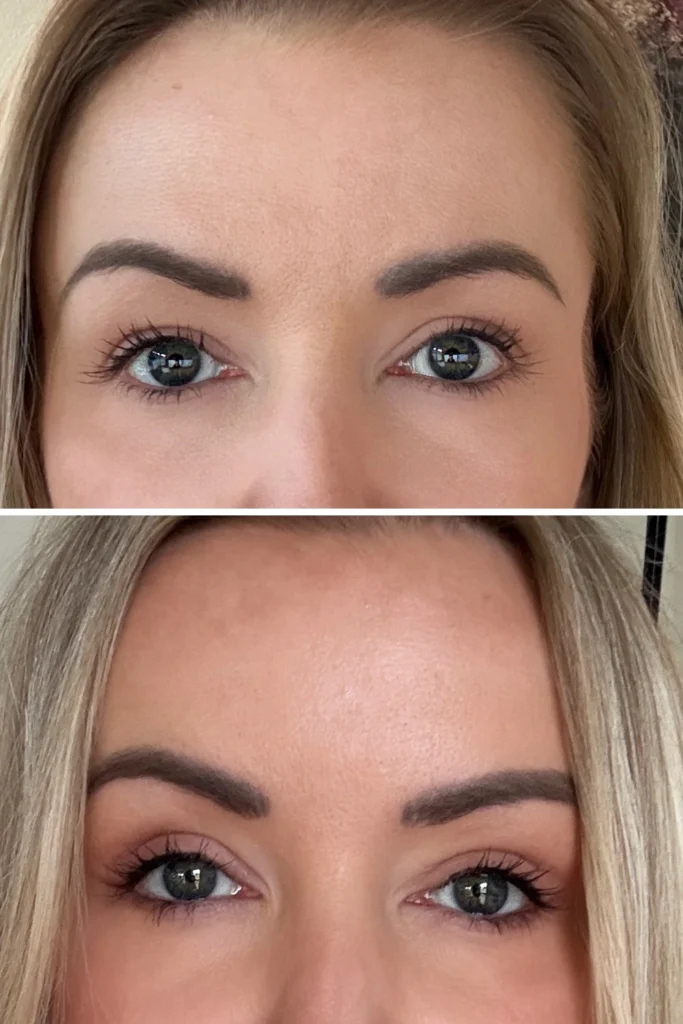
My primary concern was the laxity, which doesn’t show up very well in photos. But when I applied eyeshadow, the skin on my eyelids would crinkle and look heavy. I also realized I tend to raise my brows when I look in the mirror or take photos, so it was actually hard to find a picture that showed the true heaviness of my lids.
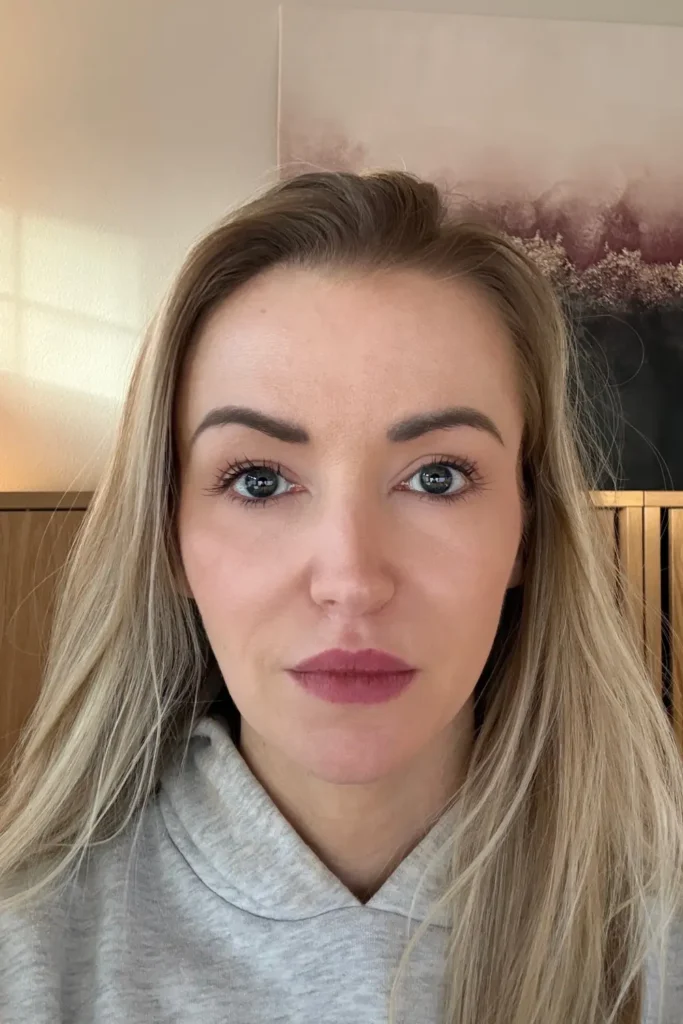
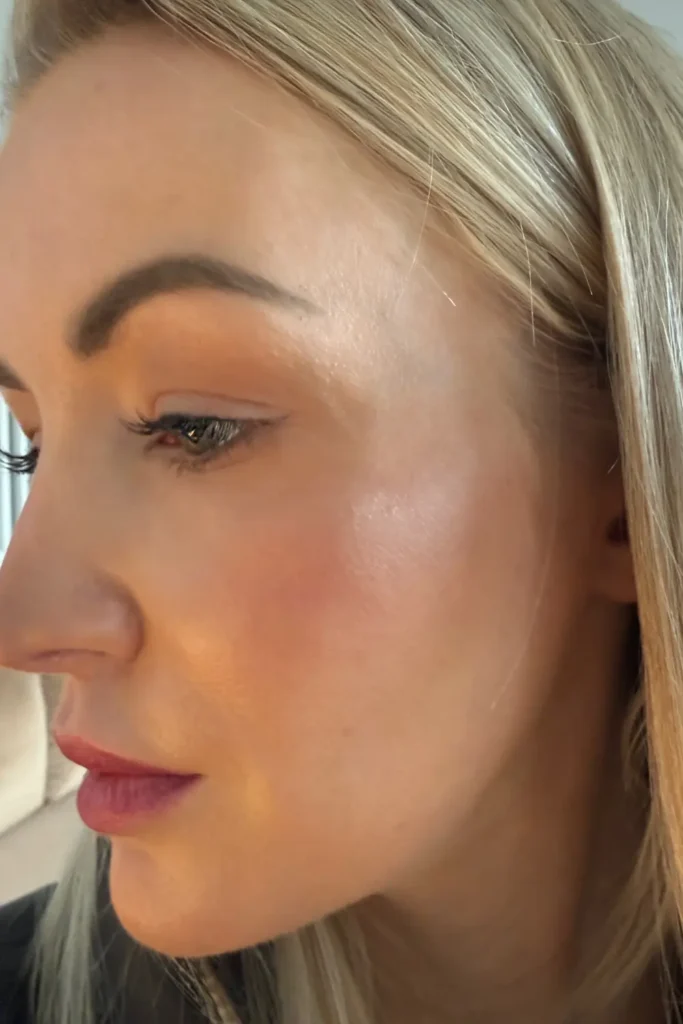
Right after the procedure and a few hours later. No pain and I was icing on and off every 20-30 minutes or so.
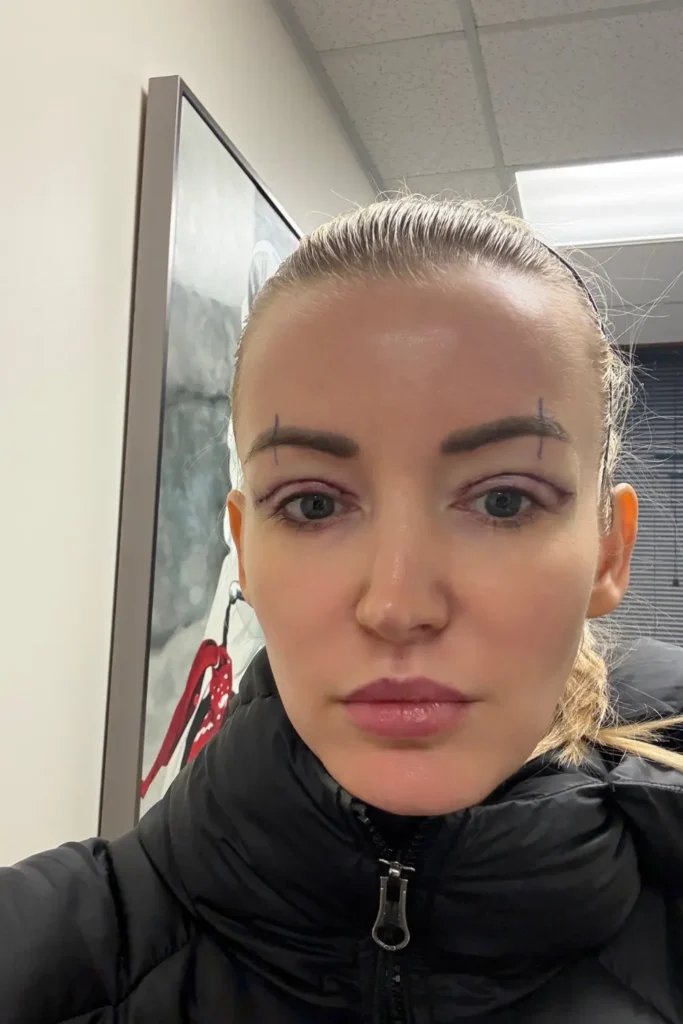
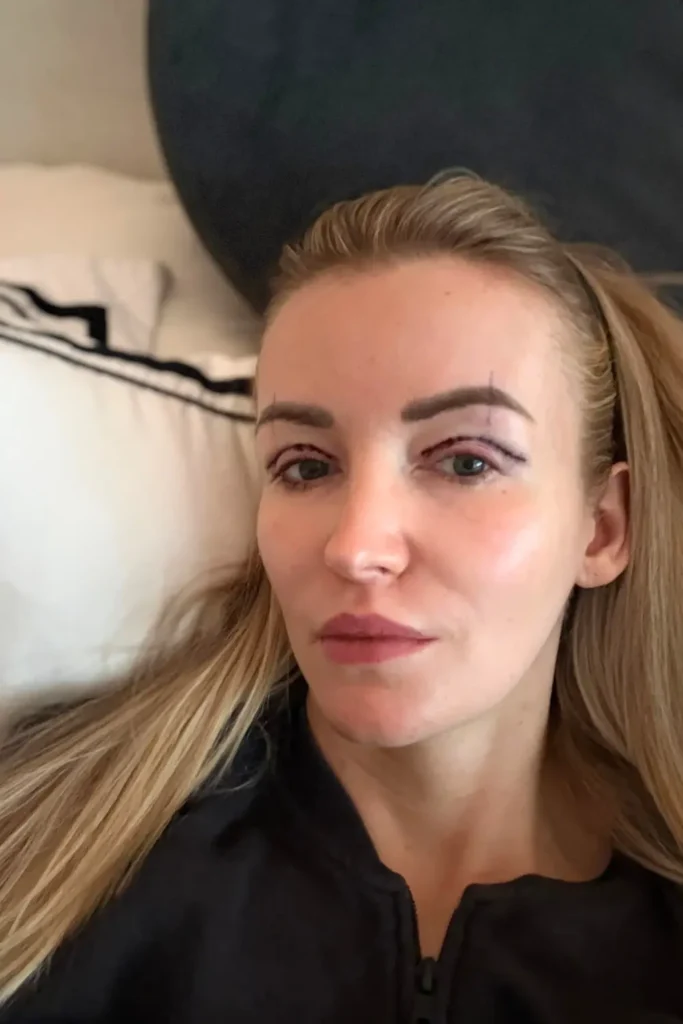
I iced consistently for the first four days using eye-specific post-surgical ice packs. I also slept elevated the whole time, which made a noticeable difference in keeping swelling down. Around day three and four, my eyes got a little watery. It wasn’t concerning, just a normal response, and it resolved on its own.
Bruising was minimal. Swelling was mild (peaked on day 3). Nothing that required anything more than Tylenol on night one.
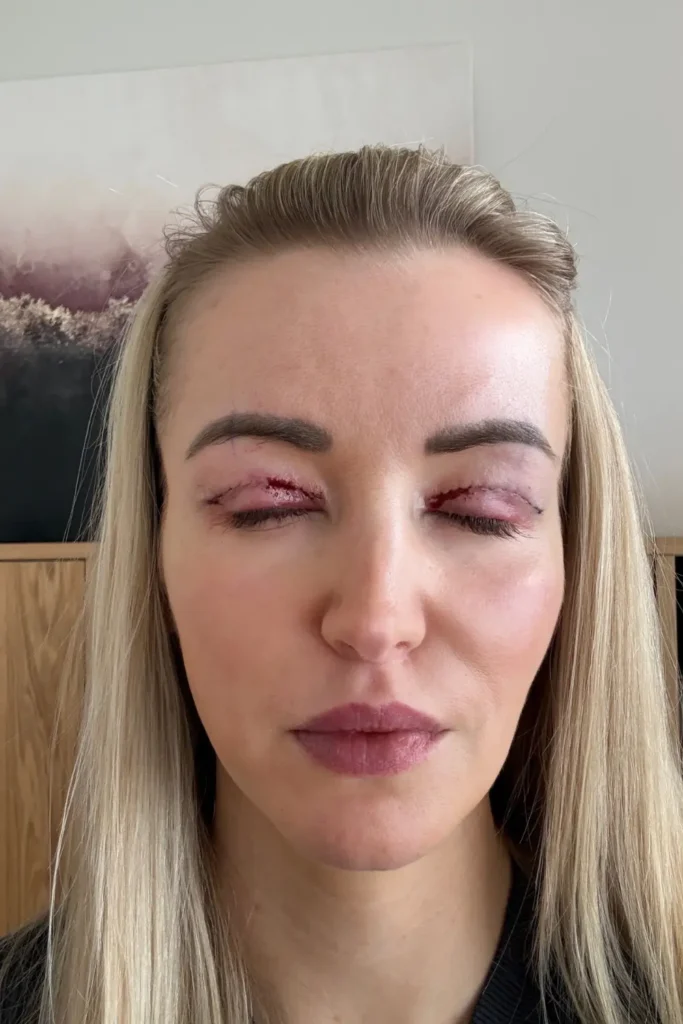
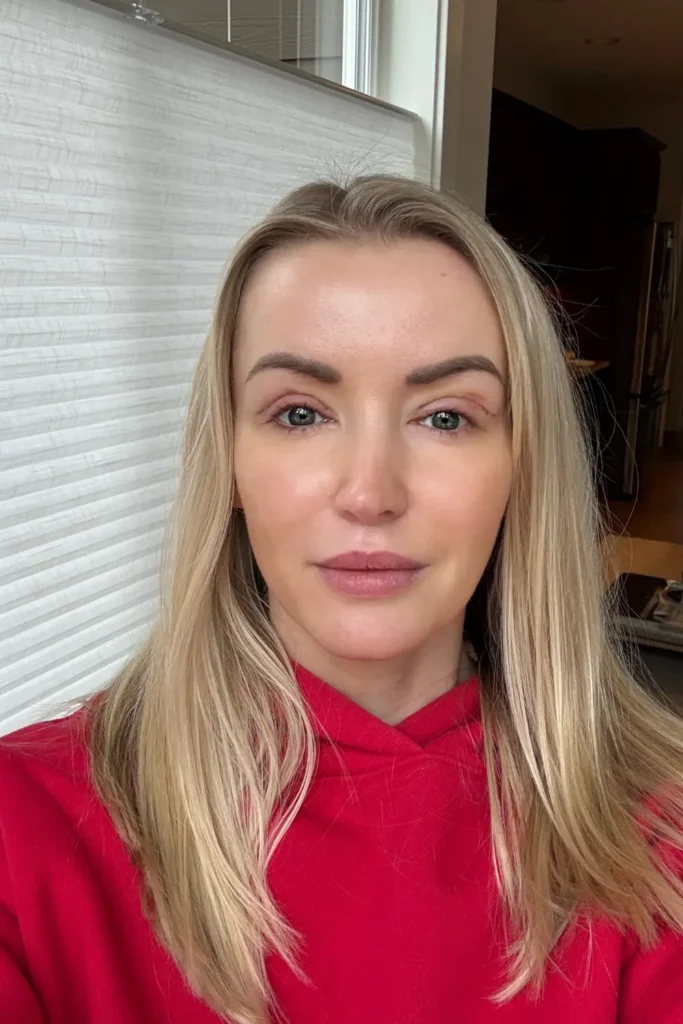
My eyes felt a bit heavy after extended screen time, which makes sense since I work remotely and spend most of my day on a computer. It wasn’t painful, just something I noticed. I took breaks when I could.
Stitches came out on day seven. The scar was visible at that point, more prominent on my left side where more skin had been removed. But it was easily covered with tinted sunscreen. I went back to work after my stitches were removed and no one on video calls said anything or seemed to notice.
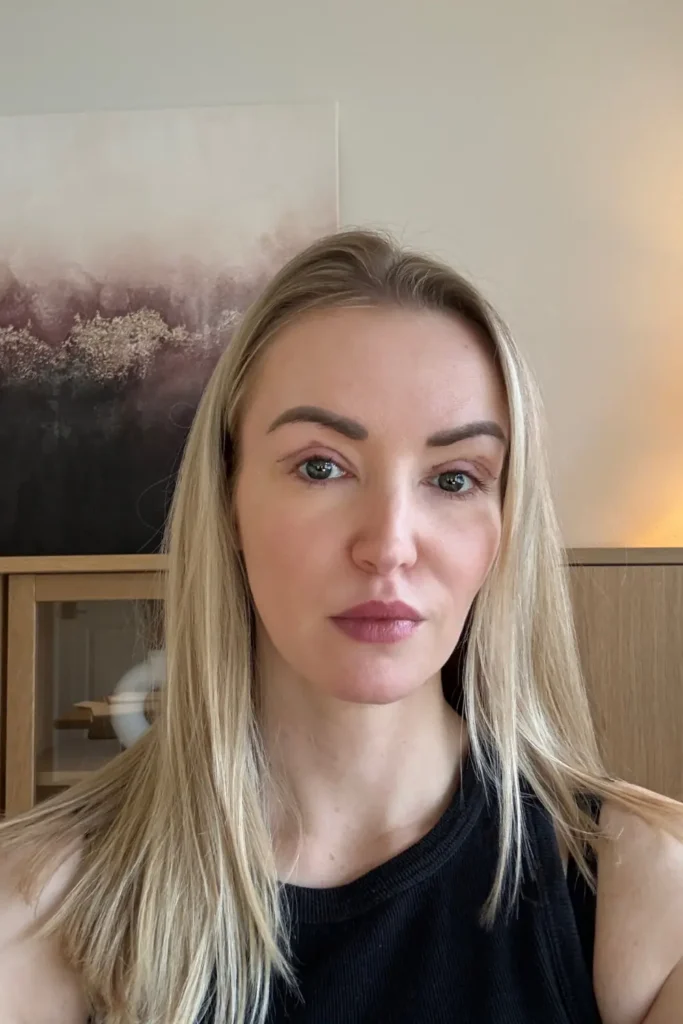
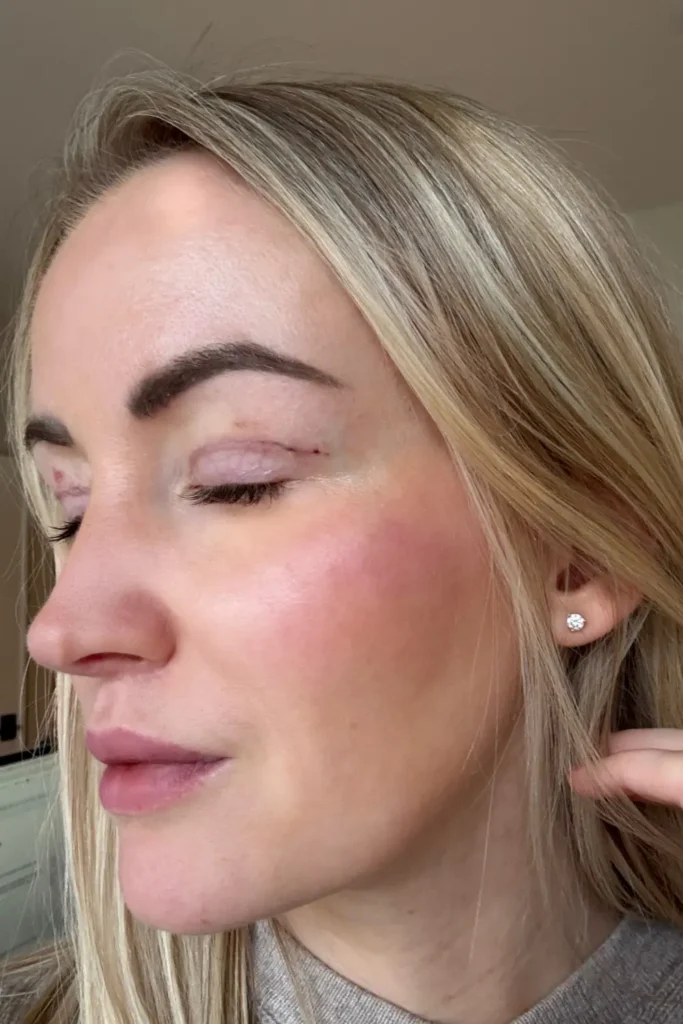
I felt good by the end of week two. Good enough that I wanted to get back to workouts, but I held off. I followed post-op instructions and kept activity limited to walking, which I was doing throughout recovery. Two full weeks before any actual exercise.
I started wearing makeup around day ten. It was a little awkward to layer on top of the scar gel and SPF situation I had going, but doable.
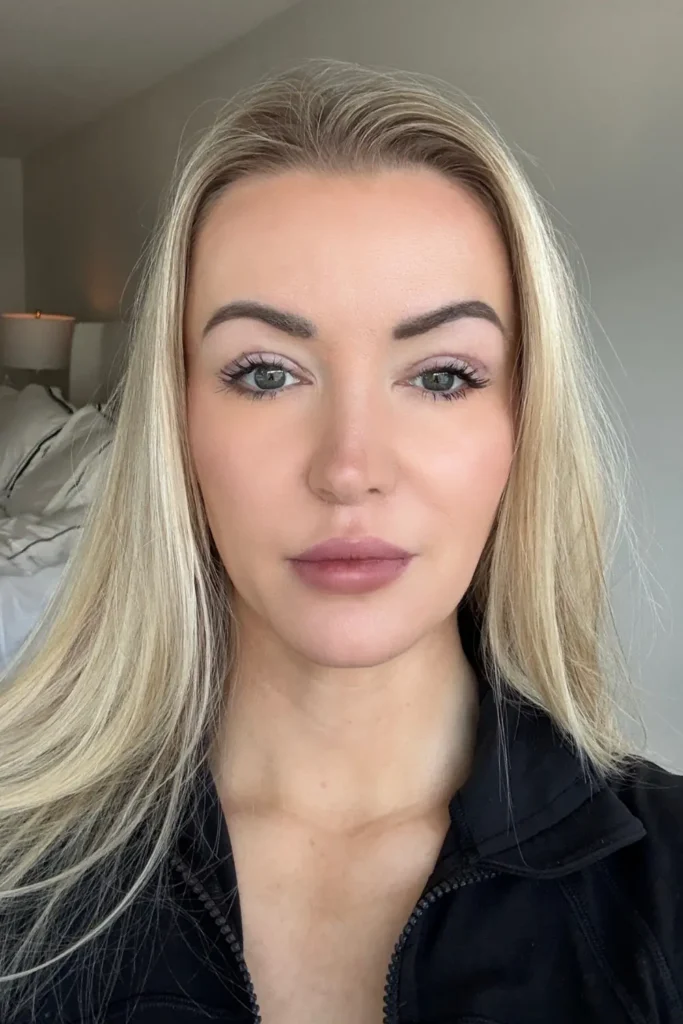
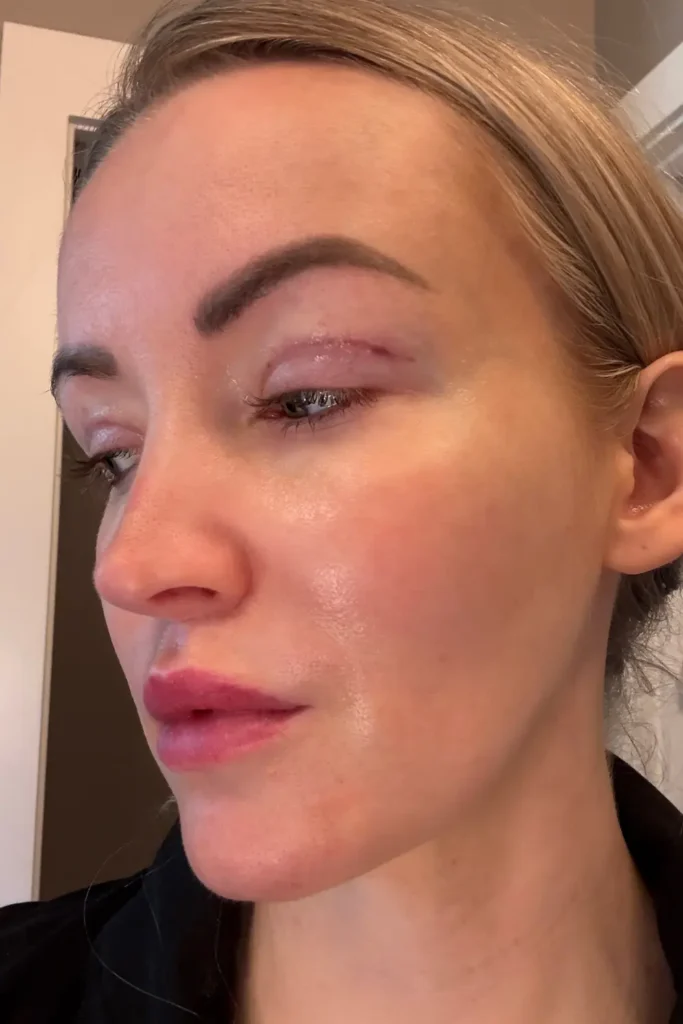
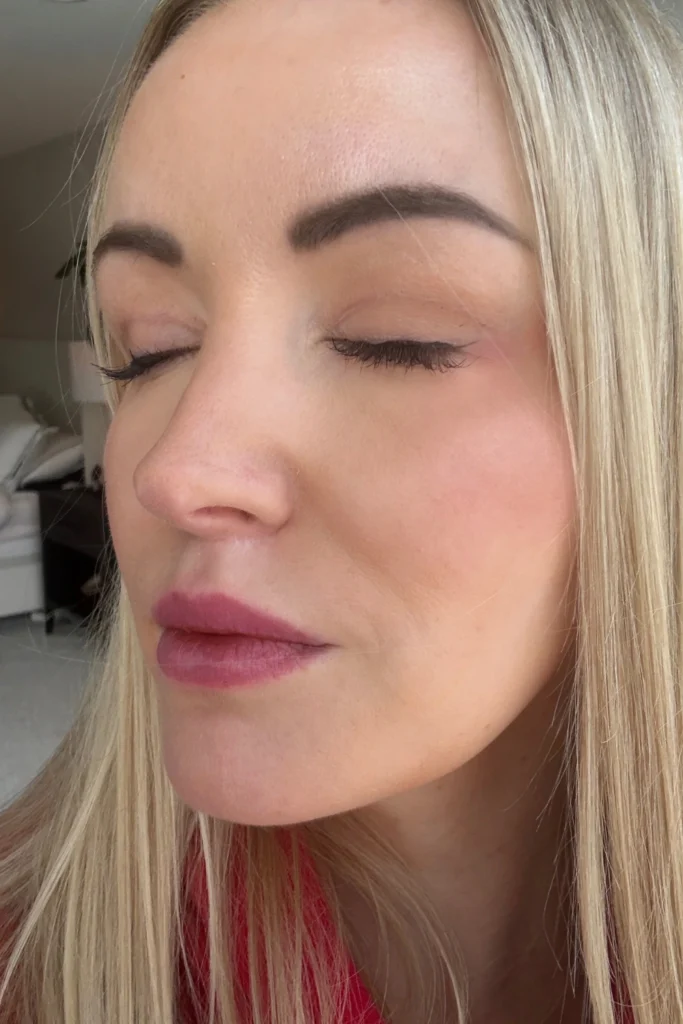
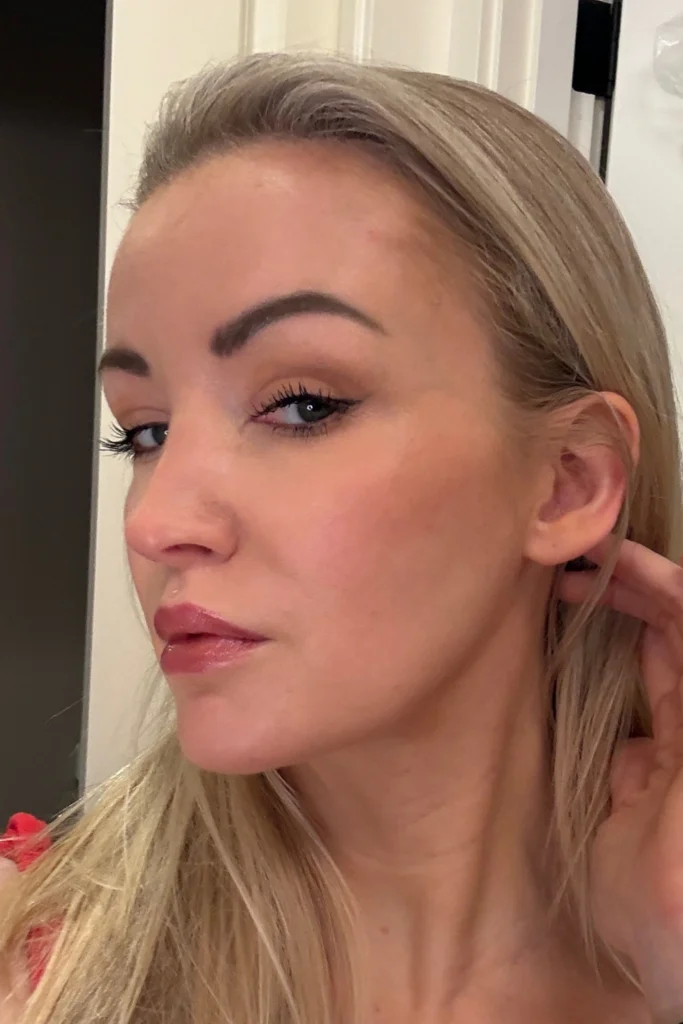
Swelling felt fully resolved somewhere in this window. The results started to look more settled. Slightly more lid show, hooding is reduced, and it’s definitely tighter (a lot less laxity). Subtle, which is exactly what I was going for.
The scar is still slightly pink and red at this stage. I have fair skin, so I’m expecting the fade to take a while. Currently using silicone scar gel twice a day with SPF on top, every day.
I paid $5,267 with Dr. Ort in Bellevue, WA, which included the surgeon fee, local anesthesia, and post-op appointments. Cost varies depending on the surgeon, geographic area, and whether you’re doing upper only, lower only, or both.
This is a cosmetic procedure, so insurance won’t cover it in most cases. Nationally, upper blepharoplasty tends to run anywhere from $3,000 to $8,000 or more depending on the surgeon. In the Pacific Northwest with a board-certified plastic surgeon, expect to be in the $4,500 to $6,500 range.
One thing worth asking at your consult: if the hooding is severe enough to affect your vision, some insurance plans will cover it as a functional procedure. It doesn’t hurt to ask before assuming it’s fully out of pocket.
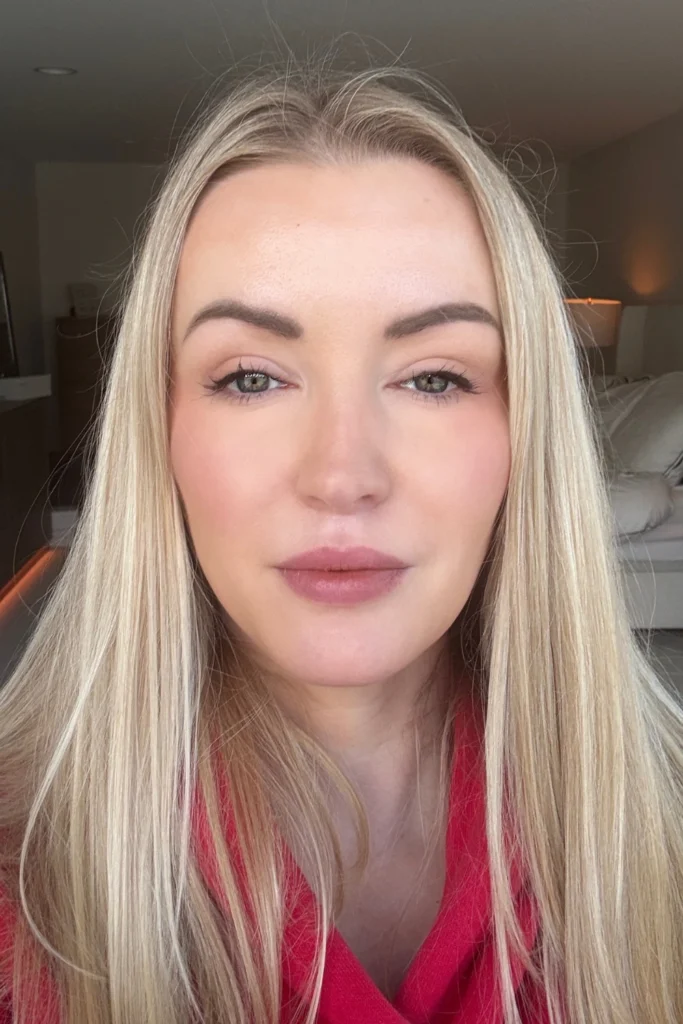
Honestly? To me, the results look subtle. Maybe even the same-ish at first, especially in those early weeks when you’re still swollen and your eyes feel unfamiliar. But that’s kind of what happens when you go in asking for conservative.
There is slightly more lid show. The hooding is reduced. My left eye, where more skin was removed, shows a bigger change than my right. No one has noticed I had anything done, which I’m completely fine with. I didn’t want people to notice. I wanted to be able to do my liner, get a cleaner lash lift result, and stop fighting my lids.
The results are exactly what I asked for. It wasn’t a dramatic transformation. I wasn’t looking for one.
These are the products I actually used.
SPF scar gel (daytime): BioCorneum SPF scar gel. SPF is non-negotiable for scar healing. This one covers both in a single step. It’s a little sticky so makeup doesn’t layer very well over it.
Scar gel (PM): Silicone scar gel for nighttime. I’ve been using this each night since my stitches came out.
Arnica tablets: Boiron Arnica. Started before surgery and continued through early recovery to keep bruising minimal.
Eye ice packs: Post-surgical eye ice packs. Way easier than improvising with a regular pack, and they stay in place.
Tinted SPF: My go-to tinted sunscreen. This is what I used to cover the scar once I started getting back into makeup around day ten.
Bromelain: Bromelain supplement. Took this leading up to and in the early days after surgery to help with inflammation.
First week only: This was helpful specifically in that first week of recovery. My surgeon recommended it.
Wide-brim hat: This hat. Sun protection while a scar is healing is non-negotiable. I wore this every time I was outside.
Oversized sunglasses: These. Both protective and just genuinely comfortable post-surgery.
Red light: I swear by red light and do think it helps with scarring. Here’s a good mask option. Worth the investment.
Pillow wedge: This pillow wedge really helped with keeping upright while sleeping.
Upper blepharoplasty recovery is genuinely manageable. I had minimal bruising, mild swelling, and was back on video calls after my stitches came out on day seven. The biggest things to plan for: two weeks without working out, consistent icing in the first few days, and sleeping elevated.
I paid $5,267 in 2026 for an upper blepharoplasty with Dr. Yirae Ort in Bellevue, WA. Nationally, prices range from $3,000 on the lower end to $8,000 or more for experienced surgeons in major cities. The cost typically covers the surgeon fee, anesthesia, and post-op appointments.
Most people feel presentable within one to two weeks. I was back on video calls on day seven after my stitches were removed. Swelling was fully resolved around weeks three to four. The scar will continue to fade for several months, sometimes up to a year.
Probably not, especially with a conservative approach. Not one person noticed mine, even on video calls less than a week after surgery. People tend to see that you look a little more refreshed without being able to pinpoint why.
Reddit is the most honest starting point for real patient photos and unfiltered reviews. RealSelf is useful too, though some reviews skew positive. Prioritize board certification in plastic surgery, before-and-after photos on real patients in their forties, and a surgeon who doesn’t push you toward more than you asked for. My full post on how to choose a plastic surgeon covers my entire vetting process.
Sometimes. If the excess skin is severe enough to functionally impair vision, insurance may cover it. Ask your surgeon about a functional evaluation before assuming it’s fully cosmetic.
Upper blepharoplasty removes excess skin on the upper lid and addresses hooding. Lower blepharoplasty targets under-eye bags and puffiness. They can be done at the same time or separately.
For me, yes. I went in with realistic expectations for a subtle, conservative result and got exactly that. The recovery is one of the easier surgical recoveries out there, the downtime is minimal, and the results are exactly what I wanted.
Upper blepharoplasty is a Phase 3 procedure in The Glow Protocol, which means it tends to make the most sense once your foundation is already solid.
I was already consistent with skincare, red light, microcurrent, and Botox, so for me, this felt like a worthwhile next step. If you’re in that stage where you’ve handled the basics and you’re starting to look at enhancements, it’s one of the higher-ROI procedures to consider.
The Glow Protocol walks through the full system, from foundations to enhancements, so you’re building in the right order.
And if you have questions about blepharoplasty or want to share your own experience, email me at [email protected].


