
Welcome to Here for Vanity - sharing all things self-care, anti-aging, and beauty for navigating the glow-up after 40.
Glad you're here!
Learn more
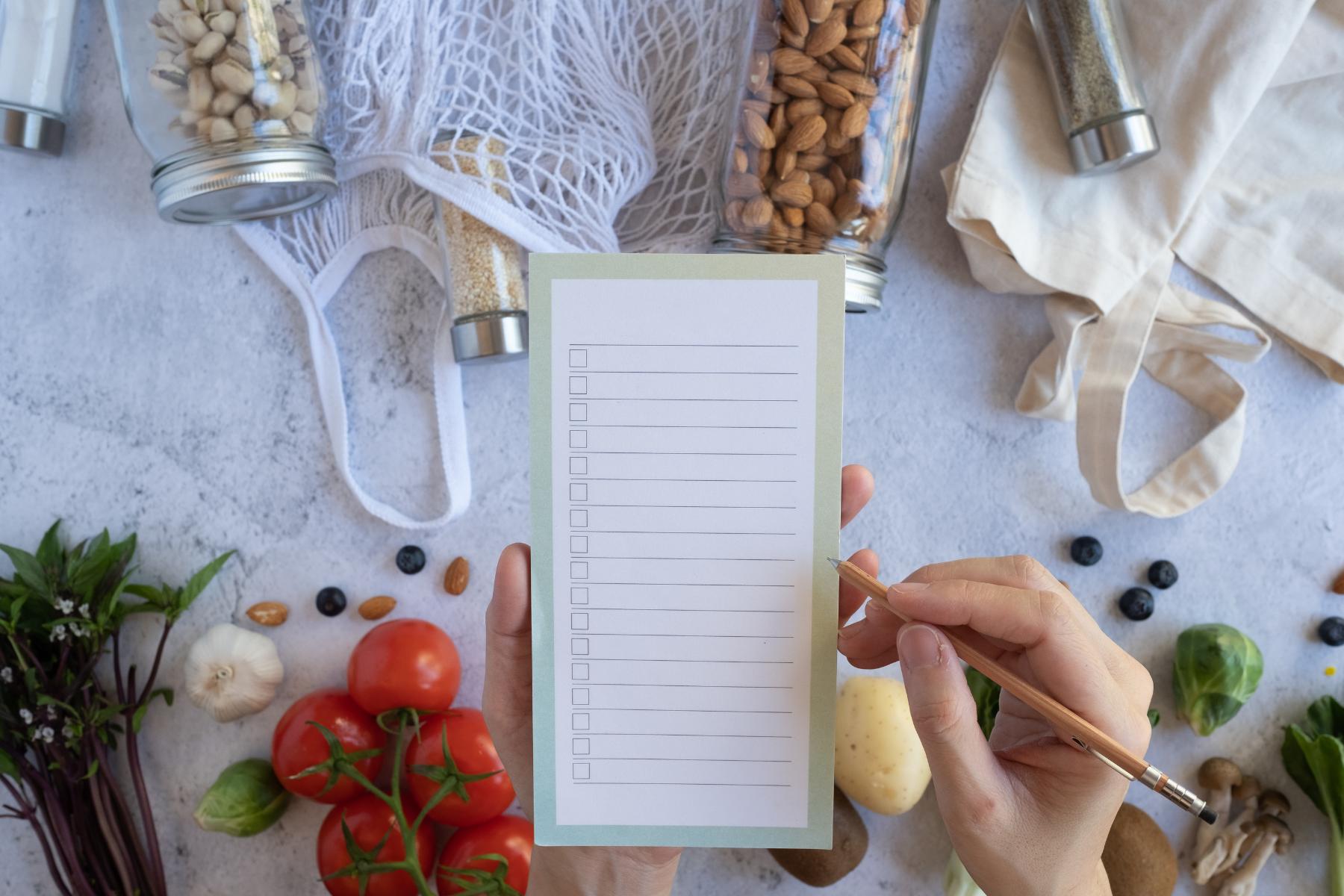
Looking for an easy, macro-friendly grocery list that won’t lead you toward processed, inflammatory foods? Look no further!
As much as I love macro-counting to stay in shape, it’s so easy to default to packaged or processed foods. Let’s face it – fast food and packaged foods are easier to track because nutrition labels are readily available. But, that’s not always the best choice for our health.
Back in the day, I could live off Quest bars and protein snacks and hit my macro goals. Now in my 40s, I know I feel and look my best when I eat a whole-foods-based diet.
In this post, we’ve created the best nutrient-rich, whole foods to help you hit your macros, including antioxidant-rich produce, quality proteins, and healthy fats – the essential building blocks of a balanced and youthful diet.

This post may contain affiliate links. This means I may earn a small commission if you purchase a product through my link at no extra cost to you. All items are carefully curated by me and reflect my honest opinion.
Macronutrients, often called “macros,” are the three main components of our diet that provide energy and are essential for overall health and fitness. These macros include:
Anti-aging foods are loaded with antioxidants, vitamins, and nutrients that combat the effects of aging on your body and skin. We focus on whoe, unprocessed foods that strengthen your body from the inside out. Adding anti-aging superfoods helps fight the signs of aging and gives you that glowing complexion.
In contrast, a typical “If It Fits Your Macros” (IIFYM) diet often leans heavily on processed and packaged foods to hit macro targets. While these foods may fit your daily calorie and macro goals, they usually don’t have the nutrients and antioxidants that are in whole, unprocessed foods.
Whole foods are superior for anti-aging because they provide a wide range of vitamins, minerals, and phytonutrients that support skin health, collagen production, and cellular repair.
By nourishing your body with nutrient-dense foods like fruits, vegetables, lean proteins, and healthy fats, your skin can maintain elasticity, firmness, and a youthful appearance.
Additionally, anti-aging superfoods like berries, leafy greens, and fatty fish are rich in antioxidants that help neutralize free radicals and reduce oxidative stress, significant contributors to aging. By incorporating these foods into your diet, you’re promoting skin health and supporting overall vitality and longevity.
So, in this macro-friendly grocery list, we’re skipping the processed snacks and opting for whole, nutrient-rich foods to keep our body running (and looking) optimal.
Related: The 12 Most Powerful Anti-Aging Superfoods for Women Over 40
A macro-friendly grocery list is a grocery list built around foods that make it easier to hit your protein, carb, and fat goals while still eating balanced, satisfying meals.
The best macro-friendly foods are usually:
For me, a good macro-friendly grocery list also overlaps with wellness and anti-aging habits. That means prioritizing foods that support muscle, energy, blood sugar balance, satiety, digestion, and healthy skin, hair, and nails.
I prefer organic, pasture-raised, wild-caught, and grass-fed options when it makes sense for my budge because higher-quality ingredients fit the way I like to eat and support the overall health side of this lifestyle too.
So this is not just a list of foods with macros. It is a practical template for shopping in a way that supports body composition and long-term wellness.
If your goal is body recomp after 40, this kind of grocery list makes the process much easier because you already have the foods that support protein intake, recovery, and balanced meals.
Use this grocery list as a simple template each week:
I like a macro-friendly grocery list built around whole, nutrient-dense foods, and if you want more ideas in that direction, read my guide to the best anti-aging foods for women over 40.
If you are just getting started, begin with these easy staples:
And if you are new to building balanced meals, MyPlate is a helpful starting point for understanding how different food groups fit together.
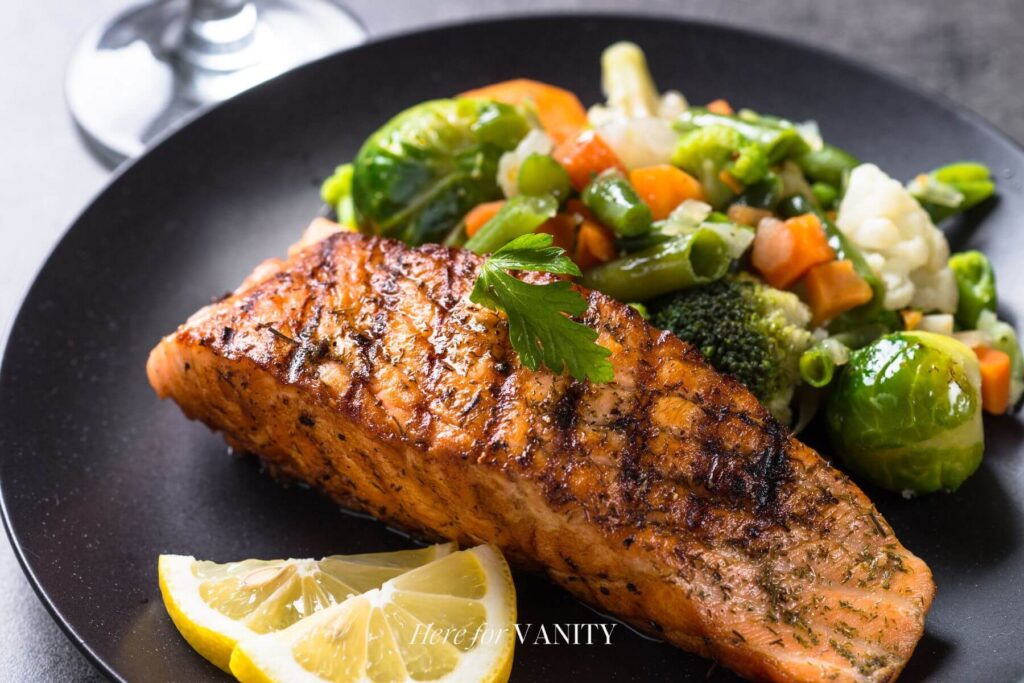
Protein is the anchor of a macro-friendly grocery list. It helps support muscle, recovery, satiety, and body composition, and it also makes meals feel more structured and satisfying.
I prefer organic, pasture-raised, wild-caught, and grass-fed options when possible because they fit the overall wellness and anti-aging standard I aim for on this site. That said, use the best options that work for your budget and your real life.
Here are the protein staples I would build this list around:
If you are choosing just a few to start with, make it chicken, eggs, Greek yogurt, cottage cheese, and one easy grab-and-go protein you will actually use.
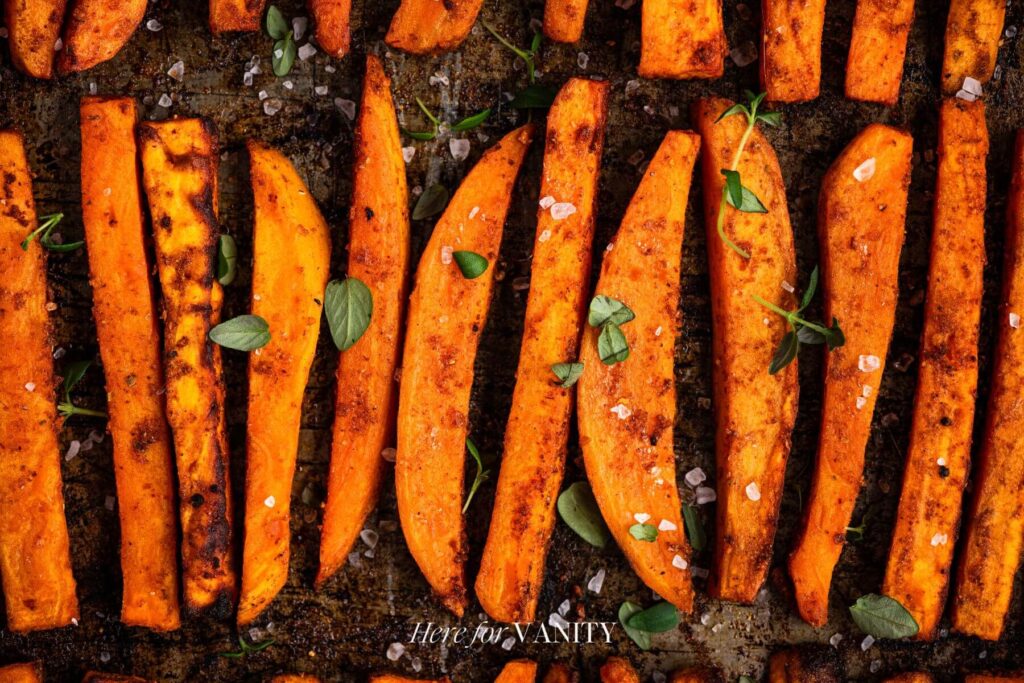
Carbs give us energy and fuel workouts. Don’t be afraid of carbs! It’s important to note that carbs can come from grains, fruits, and even candy.
Here are the carb staples I recommend:
– Organic oats
– Potatoes
– Sweet potatoes
– Beans and legumes
– Rice
– Quinoa
– Sourdough bread
– Ezekiel bread
– Brown rice pasta
– Brown rice crackers
– Plain popcorn
– Rice cakes
– Fresh berries
– Frozen berries
– Pomegranate seeds
– Bananas
– Apples
– All fruit
– Dried fruit with no added sugar
– Medjool dates
– Vegetables and leafy greens
If your goal is easier meal prep, stick with a few carb sources you can portion without thinking too hard. Rice, potatoes, oats, fruit, and one bread option are usually enough.
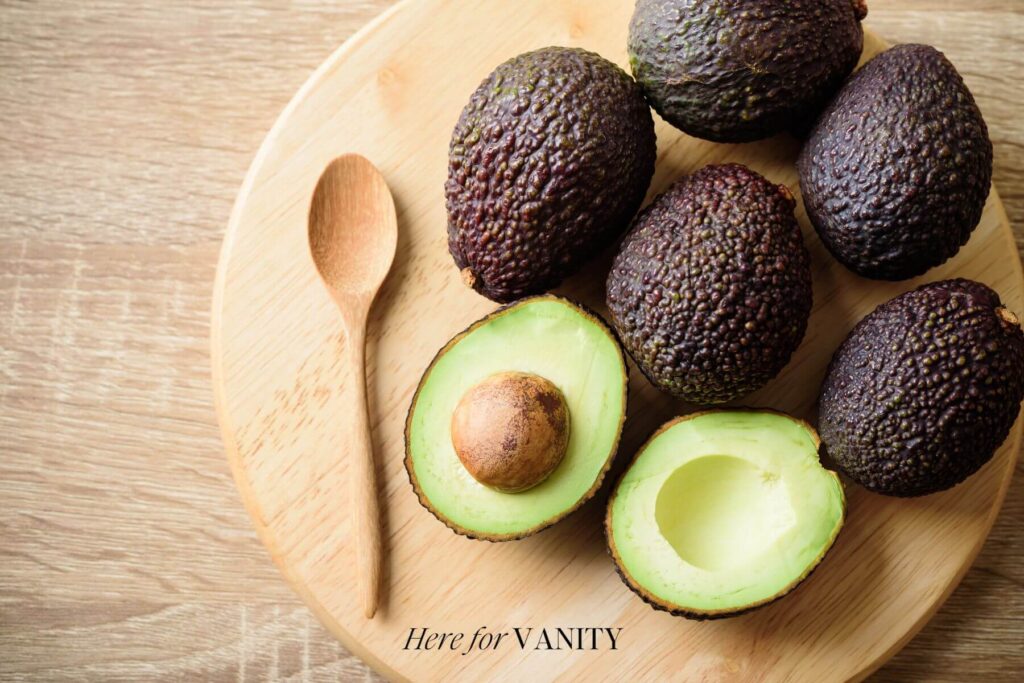
Healthy fats matter for satiety, hormone health, energy, and meals that do not feel sad and restrictive.
They also fit naturally into the anti-aging side of wellness because fats help support skin health, hair health, nutrient absorption, and overall meal satisfaction.
These are my favorite macro-friendly fat sources:
You do not need huge amounts of fat to make meals better. A little olive oil, avocado, nut butter, or seeds goes a long way.
These foods are not always the first things people think of when they think about macros, but they absolutely fit into the way I shop for health, wellness, digestion, and anti-aging support.
These are the extra staples I keep around because they help healthy eating feel more realistic and more enjoyable:
This is where your grocery list becomes more than a protein-carb-fat checklist. These little extras make meals taste better, support consistency, and help the whole routine feel less rigid.
Instead of leaving your meals and macros to chance, it helps to shop with a loose structure.
Each week, I like to pick 2 to 3 proteins, 2 carb sources, 1 to 2 fats, plenty of produce, and a few wellness staples that make healthy meals easier to throw together.
A simple example looks like this:
That gives you enough flexibility to make bowls, salads, omelets, smoothies, yogurt bowls, and quick meal-prep lunches without buying a hundred random things.
If you want this to actually stick, keep your grocery list realistic. A repeatable routine usually beats a more ambitious one.
Now that you have a solid list of food choices, begin picking your favorite foods and create meals based on your specific needs.
For meal planning, I choose a couple of proteins and carbohydrates and rotate fresh produce based on the season. I like to start with a high-protein selection and then layer in my carbs and fats.
Here are some great options for go-to balanced meals and snacks:
Pick your favorite marinades or low calorie sauces, and you can create endless delicious meals.
Related: High Protein Meal Prep Ideas + My Simple 3×2 Formula
If you want a step-by-step breakdown, read my guide on how to count macros. But if you are new to all of this, do not feel like you need perfect numbers right away. A much easier place to start is building your meals around protein first, then adding a carb source, a healthy fat, and fruits or vegetables.
No, not at all. You can still use a macro-friendly grocery list even if you are not tracking exact grams of protein, carbs, and fat.
Think of it more as a simple way to shop for balanced meals. If you build your groceries around a few good protein sources, carb sources, healthy fats, fruits, and vegetables, you are already headed in the right direction. And if you decide later that you want more structure, you can always read my guide on how to count macros.
Macro-friendly foods are foods that make it easier to hit your protein, carb, and fat goals while still building balanced meals. Good examples include chicken breast, Greek yogurt, eggs, rice, potatoes, oats, fruit, avocado, olive oil, and nuts. Sticking to whole foods makes it easier to hit your macro targets.
Yes! Frozen fruit, frozen vegetables, canned tuna, canned beans, and other minimally processed convenience foods can make macro-friendly eating much easier. They are often cheaper, last longer, and still help you build balanced meals.
A macro-friendly grocery list doesn’t mean cutting out all carbs or never eating convenience foods. But if too much of your diet comes from snacks and heavily processed foods, it can actually be harder to hit your protein, carb, and fat targets in a balanced way. That is why I think it works best when most of your groceries are whole, nutrient-dense foods, while still leaving room for treats you enjoy.
Planning and preparation is the key to staying consistent and seeing results.
I’ve found that when I’m busy or fail to plan my meals, I tend to snack aimlessly and lose track of my macros for the day.
With over 15 years of experience counting macros, here are my favorite tools and strategies for staying on track.
You do not need a perfect macro plan to shop more intentionally. Start with a few simple protein, carb, and fat staples you actually enjoy, repeat them each week, and build from there.
A good grocery list helps, but the right meal prep essentials make healthy eating much easier to stick with when life gets busy. Read: Meal Prep Essentials That Make Healthy Eating Easier
If you want more structure, read my guide on how to count macros next: How to Count Macros the Easy Way: Complete Beginner’s Guide.


