
Welcome to Here for Vanity - sharing all things self-care, anti-aging, and beauty for navigating the glow-up after 40.
Glad you're here!
Learn more
As a skincare junkie, I’ve used it all. Before splurging on any product, I always do my research. Curious if medical grade skincare is actually worth it? Continue reading!

This post may contain affiliate links. This means I may earn a small commission if you purchase a product through my link at no extra cost to you. All items are carefully curated by me and reflect my honest opinion.
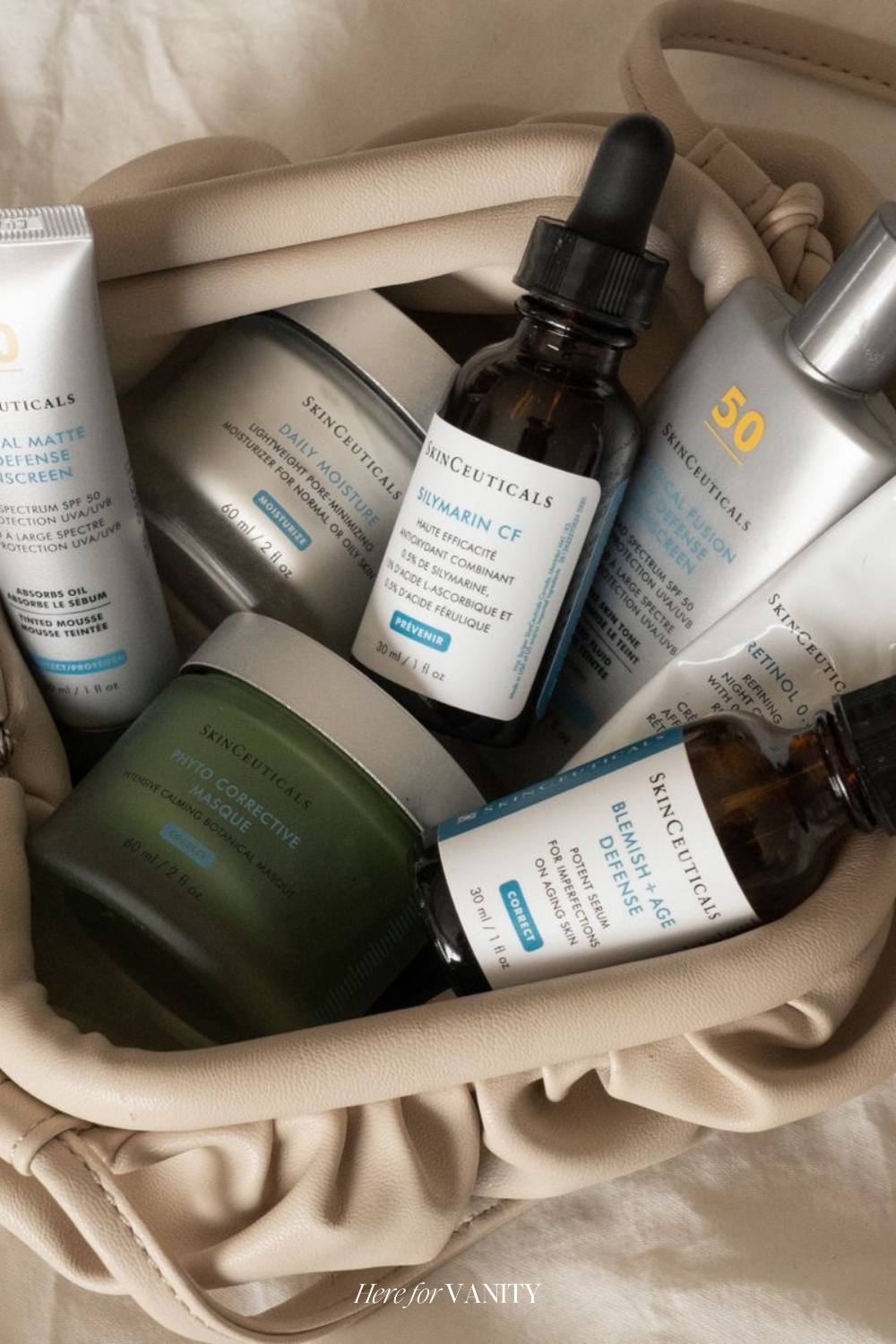
Technically, medical grade isn’t regulated in any way. It’s a marketing term. These products are often sold through dermatologists, med spas, or licensed professionals. Still, you’ll also find many of the same brands with verified storefronts on Amazon now.
The idea behind medical grade skincare is that the formulas are usually stronger and made to sink into your skin more effectively, so the ingredients actually do their job instead of just sitting on the surface. But, they’re not regulated.
According to the FDA, skincare products fall into two buckets: cosmetics and drugs.
So, a brand can slap “medical grade” on the label without meeting any extra standards beyond the basic cosmetic regulations. That doesn’t mean it’s bad; it just means you have to look past the branding and focus on the formula.
Some brands also back their products with their own clinical research. That’s worth reviewing, but always ask: who funded the study, how big was the sample size, and is there any independent data to compare?
The best approach? Pay attention to the ingredient list, dig into the clinical research, and look at real-world results. I just try what interests me and document my results.
Some dermatologists are all in when it comes to medical grade.
According to Dr. Mona Gohara, a board-certified dermatologist interviewed by Allure, the idea behind medical grade skincare is that it’s been backed by more rigorous scientific research. Ideally, that would mean stronger claims, better results, and ingredients that have been thoroughly studied. She’s someone who’s spent a lot of time combing through clinical studies, so her perspective carries weight.
Dr. Gohara specifically points to Alastin as a standout brand. Why? Because they’ve done the work. We’re talking over 60 peer-reviewed studies published in legit medical journals. That’s a level of research you rarely see in over-the-counter products, and it shows a commitment to science and efficacy.
But she also makes it clear that skincare labels can be misleading. The term “dermatologist-approved” doesn’t guarantee much. It might just mean a couple of derms liked how it felt on their skin, but not that it’s been tested thoroughly.
Source: Allure, “What Does ‘Medical-Grade’ Skin Care Actually Mean?”
Medical grade skincare is an investment, and what you’re really paying for are the concentrations of active ingredients and the way they’re formulated. If you’re dealing with more advanced or stubborn concerns, the extra strength can be worth it.
Here’s when medical grade might make sense:
Suppose your skin is younger, healthier, or you’re just getting started with a routine. In that case, drugstore skincare can easily cover your basics. Cleansers, sunscreens, and barrier-friendly moisturizers don’t need to cost a fortune to do their job.
I’ll admit that I’m a fan of medical grade skincare. I’ve tracked my routine over the years, even kept notes in my phone to see when my skin looked and felt its best. That’s how I know what’s worth the splurge for me.
That said, I don’t use it exclusively. I mix in affordable products too because I truly believe there are some incredible drugstore finds that hold their own. Still, I’m a skincare nerd at heart. I love delving into the research, obsessing over before-and-after results, and testing formulas that claim to do more. So yes, I splurge, but I rotate. And my skin seems perfectly happy with that balance.
Alright, so it’s a large list. I genuinely love this, and these are the products I keep coming back to. My skin leans normal to dry.
I’m always curious about what doesn’t make the cut in other people’s routines, so I figure you deserve to know mine too. Everyone’s skin reacts differently, so what didn’t work for me might still be a win for you. But honesty matters—here are the products I wouldn’t buy again and why.
While I do love medical-grade skincare, I also love these great alternatives that are effective and more affordable. I balance out my investment by rotating. Usually, medical grade is a cheaper option.
Here are the drugstore products I actually reach for:
You might also like:
Just because something is labeled medical grade doesn’t automatically make it more effective. Yes, the actives are usually stronger than what you’ll find in your average drugstore product. And yes, some of them do deliver visible results. Many also claim pharmaceutical-grade purity, which can mean fewer fillers or unnecessary ingredients.
Personally, I enjoy skincare on every level—I read the studies, compare before-and-afters, and actually track how products perform on my skin. I’ve seen noticeable results with medical grade, so for me, the answer is yes.
That said, I don’t think it’s the only way. There are plenty of affordable alternatives that work beautifully, especially for basics like sunscreen, cleansers, and moisturizers. If you’re dealing with stubborn concerns—like hyperpigmentation, melasma, or deeper wrinkles—medical-grade can be worth exploring. The key is finding what truly works for your skin, whether that comes from a dermatologist’s office or a drugstore aisle.
Bottom Line: Medical-grade skincare can deliver results, but it’s not the only path. Mix and match with smart drugstore finds, and invest in products that actually benefit your skin.
Follow for more on Instagram & Pinterest.


