
Welcome to Here for Vanity - sharing all things self-care, anti-aging, and beauty for navigating the glow-up after 40.
Glad you're here!
Learn more
Continue reading for the right way to use progressive overload to build muscle and lean out.
This post may contain affiliate links. This means I may earn a small commission if you purchase a product through my link at no extra cost to you. All items are carefully curated by me and reflect my honest opinion.
You’ve probably heard the term progressive overload, and yes, it involves lifting heavier over time to build muscle. But it’s not only about adding weight. Progressive overload is about finding different ways to challenge your muscles so they adapt and grow.
Here’s what usually happens: you start a routine with good intentions, then life gets in the way. You fall off track, or you stick with the same weights and reps for months without realizing you’ve stopped progressing. The result? You stay busy, but your body doesn’t change.
Muscle doesn’t grow just from movement—it grows when your body is forced to meet a new challenge. That becomes especially important with age.
The good news is muscle acts like an anti-aging tool. It supports your joints, improves posture, protects bone density, regulates blood sugar, and boosts metabolism. Plus, it looks and feels good. But none of it happens without intention. Progressive overload is how you make sure your time in the gym actually leads to results you can see and feel.
If you want to build muscle, especially after the age of 40, you need a program that tracks your weights, reps, sets, rest times, and total volume each week. You need to know where you started so you can gradually push a little further.
Without structure, it’s easy to chase the wrong things. You end up going for soreness or exhaustion, thinking that means you’re making progress.
But if your strength isn’t improving, those workouts aren’t doing much.
Even worse, you start adding weight too quickly, your form falls apart, and you end up using the wrong muscles—or dealing with injuries.
And there’s nothing more frustrating than showing up week after week, thinking you’re working hard, but not seeing any real changes in your body.
Also, ensure that the exercises are made for progressive overload. Think: compound exercises like squats, deadlifts, hip thrusts, shoulder presses, etc.
You can absolutely create your own program or find solid free options online. Or you can try my Fit Forever Program—the one I made after figuring out what actually worked for me post-40. I personally use it for about 6 to 8 months out of the year, then mix in my glute program or shred cycle when I want to lean out a bit.
After that, I repeat the cycle. This approach is called periodization, and it’s the real key to building and maintaining a strong, fit body year after year without burning out or starting over every few months.
Adding more weight is the most obvious way to progressive overload—but it’s not the only way. And it’s definitely not always the smartest. Here are seven effective ways to challenge your muscles without constantly reaching for the next dumbbell:
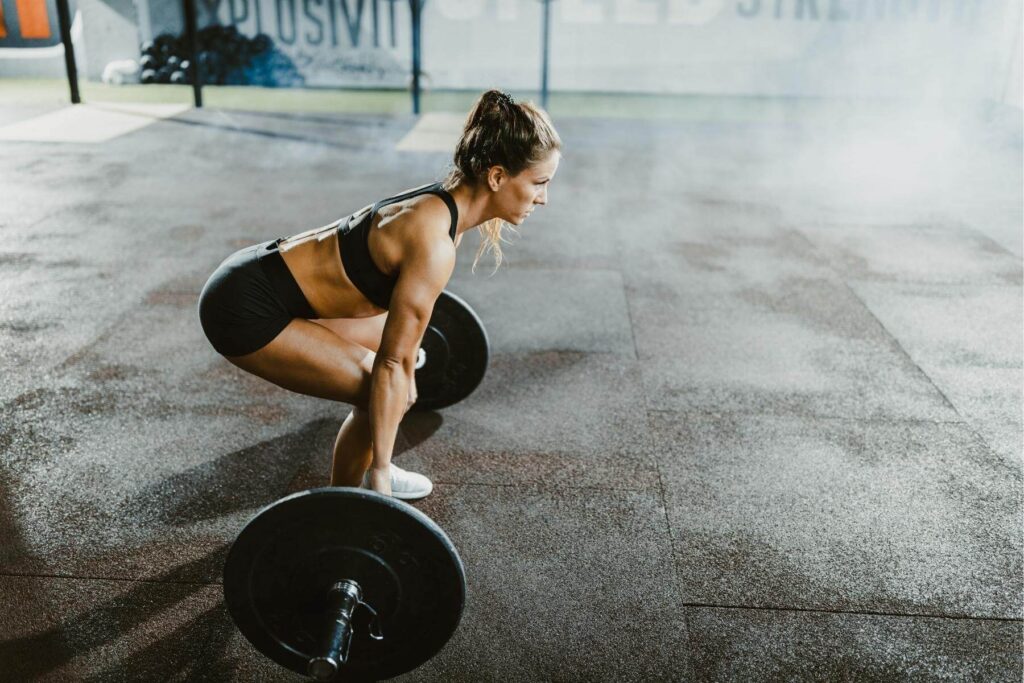
Yes, this still matters. Gradually increasing resistance over time helps build strength and muscle. But go slow. Make sure your form stays solid and your target muscles are actually doing the work.
I prefer to add more weight to heavy compound exercises, such as hip thrusts, deadlifts, and squats, rather than smaller isolated exercises.
Shoulder lat raises, for example, I keep lighter because there’s only so heavy you can go without risking injuring yourself. Also, if you find that
Sticking with the same weight? Add a few more reps instead. More reps mean more total work for your muscles, which can drive growth when done consistently.
Start by finding a good weight in the 8-10 rep range and progressively increase to 12 reps each time. Once I reach about 12-13 reps, I know it’s time to try to increase the weight or use another progressive overload method.
You can also increase training volume by adding one or two extra sets.
This works well if you’re not ready to add more weight but still want to challenge the muscle further. I usually start my programs with 3 sets. I will progress to 4 sets over time, especially if I feel I’ve “maxed out” on a specific weight and my form is suffering.
Adding an extra set will increase your volume overall, which is a great way to progressively get stronger.
How fast you lift and lower matters. Slowing the movement increases time under tension, which creates more demand on the muscle and improves control.
Adding a pause at the bottom or top of a rep forces your muscles to stabilize for a longer period, making each movement more demanding. You’ll feel the difference quickly.
For example, instead of resting for 2 minutes between sets, rest for 1:30 or 1:00 instead. Decreasing rest between sets makes the same workout more intense without changing the weight. This also trains your endurance and forces your muscles to work under fatigue.
This is often overlooked, but it’s a small detail that can yield great results.
When lifting, really THINK about the muscle being recruited. Imagine it contracting. Sometimes, even tapping the muscle helps your brain engage and feel it more.
If you want to change your body, focus on getting stronger. That shift changed everything for me. Once I made the goal a priority, I started making better decisions and optimizing everything so I could progress a little more each time.
Here’s exactly what worked and what I still do:
I used to lift fasted. Once I started having a quick snack with quick-digesting carbs and protein before workouts, I could lift heavier, and I had a little more energy. Usually, this is a combo of protein shake, Greek yogurt, toast, fruit, rice cake with peanut butter, etc.
I had more energy when I slept well. It’s lights out for me by 10:30 or 11pm, and it’s a non-negotiable. Sleep is when your body recovers, which is essential for building muscle.
I take about 5 grams of creatine daily.
Creatine is one of the most extensively studied and effective supplements for enhancing strength and promoting muscle growth. It helps your muscles produce energy during high-intensity training, especially lifting.
Creatine increases the availability of ATP (your body’s quick energy source), which means you can push harder, lift heavier, and recover faster.
I used to skip warm-ups all the time. Ten minutes felt like too much. But once I actually did them consistently, I saw the difference.
My lifts were smoother, my joints felt better, and I could push more weight without feeling stiff or tight. Now, I always get a few minutes of light cardio before starting, and do a few dynamic stretches and ramp-up sets with lighter weight before my main working sets.
Another one I used to skip sometimes. But when I started building in even five to ten minutes of mobility or stretching post-workout, I recovered faster and was way less sore.
Less soreness means I could train better and more consistently. Again, strength is about what you do between sessions just as much as what you lift during them.
This was a turning point for me. Have you ever tried bulking to build muscle? It’s tough. It messes with your head a bit because, yes, the scale goes up. But you know what else goes up? Your strength. And that feels empowering.
Most people don’t realize this until they start following a real program, tracking their lifts, and actually eating in a consistent calorie surplus to support muscle growth. You cannot build muscle effectively without eating above maintenance. Period.
I also noticed more progress when I focused on whole food sources instead of quick proteins like bars and shakes. It sounds simple, but eating enough, consistently, is harder than people think. Once I locked that in, everything started working better and I actually looked leaner.
The great news is that progressive overload is free. You can increase intensity simply by adjusting your training approach (no fancy equipment required). But if you’re open to investing a little, these made a big difference for me. These items are not essential, but they helped me train harder, stay consistent, and recover better.
Here’s What I Use Regularly:
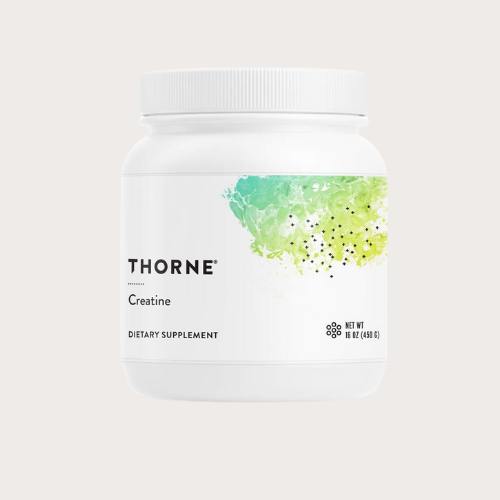
Creatine has been the most effective addition to my routine and it’s the number one supplement I recommend for building strength. I use Thorne Creatine and either mix it into my electrolyte water during training or add it to a protein shake afterward. It’s simple, easy to take, and it supports both strength and recovery.
I also like using a clean electrolyte powder. Ultima is my go-to, but there are plenty of good options out there. Staying hydrated gives me more energy in my workouts, which means I can lift heavier. If you want a simpler option, a little sea salt and lemon juice mixed with water works almost the same.
Optional but helpful—a clean pre-workout. I avoid ones with sucralose or artificial dyes, but I do find that a little energy boost before training makes a difference.


These are great for adding tension to glute-focused movements and for activation sets before heavier lifts. I use them to get the right muscles firing before squats, lunges, or hip thrusts.
I like these ones from Amazon.
These small weight plates let me increase the load in smaller, more manageable jumps on a barbell. Super helpful for progressive overload without pushing too fast or too heavy.
I have these Change Plates from Amazon. If you have dumbells, there are these Dumbbell fractional weights are a good option so you don’t have to purchase new dumbbells.


This changed everything for me.
I bought the cheapest spiral ruled notebook and simply picked 6 exercises a workout (3 lower body focused and 3 upper body) and then I’d track each week and used a highlighter when I was able to apply progressive overload. Super simple and easy to go back and review my logs.
I use an app now but really liked the notebook approach.
Not sponsored—just something I’ve used for years. I like it because I can fully customize my workouts, track my lifts, rearrange exercises, and build out my own plans. It also times my rest between sets, which keeps me focused and consistent.
Compound lifts are the backbone of progressive overload because they work multiple muscle groups at once and give you the most room to increase strength over time.
This sample full body workout can be done two to three times a week with at least one rest day in between. The goal is to track your weights, reps, and sets so you can gradually increase over the weeks.
1. Squat (Barbell or Dumbbell)
3 to 4 sets of 8 to 10 reps
Targets: Quads, glutes, hamstrings, core
Progression: Increase weight in small increments or add reps
2. Deadlift (Conventional or Romanian)
3 to 4 sets of 6 to 8 reps
Targets: Glutes, hamstrings, back
Progression: Add weight slowly or work on slower tempo during lowering phase
3. Bench Press (Barbell or Dumbbell)
3 sets of 8 to 10 reps
Targets: Chest, shoulders, triceps
Progression: Increase weight, reps, or add a pause at the bottom
4. Bent-Over Row (Barbell or Dumbbell)
3 sets of 8 to 12 reps
Targets: Lats, traps, rear delts, biceps
Progression: Add weight or slow the tempo to increase time under tension
5. Overhead Press (Barbell or Dumbbell)
3 sets of 8 to 10 reps
Targets: Shoulders, triceps, core
Progression: Increase weight gradually or reduce rest time between sets
6. Hip Thrust
3 sets of 10 to 12 reps
Targets: Glutes, hamstrings
Progression: Add weight, pause at the top, or increase reps
How to Apply Progressive Overload to This Workout:
That’s it, guys.
Doing something like this over week with progressive overload (in a smart, sustainable manner) will get get you results. Easier said than done. Most don’t really follow a program or track their results – but you will! 🙂
I wish all those years of just showing up and working out had made more of a difference, but they didn’t. Still, better than nothing, right?
Real change only happens when you train with purpose and stay consistent.
That’s why progressive overload matters, as it gives your workouts a clear direction. You don’t have to go harder every single session, but you do need to do a little more over time.
That could mean one more rep, slightly more weight, slower tempo…something that challenges your body just enough to spark progress.
The details matter and that’s what actually transforms your body.
If you want a fully baked progressive overload program that you can simply execute, try the Fit Forever Method and see real results in just 8 weeks.


