
Welcome to Here for Vanity - sharing all things self-care, anti-aging, and beauty for navigating the glow-up after 40.
Glad you're here!
Learn more
If you’re over 40 and not using creatine, you’re missing out on one of the most well-researched, effective, and safest supplements available. I use it daily and recommend it to my clients (even when building muscle isn’t their main goal).
The benefits go far beyond fitness. Keep reading to learn how creatine supports strength, brain health, and healthy aging.

This post may contain affiliate links. This means I may earn a small commission if you purchase a product through my link at no extra cost to you. All items are carefully curated by me and reflect my honest opinion.
For years, the fitness and supplement industries marketed creatine to men while selling women fat burners and appetite suppressants.
Only recently has creatine started getting attention in women’s health—and honestly, it’s about time.
Creatine helps build muscle, burn fat, boost energy, support brain health, and promote healthy aging. All the things most of us are after.
But there’s still a lot of confusion around it. I hear from clients all the time who worry it’ll make them bulky or cause weight gain.
These myths couldn’t be further from the truth! Let’s debunk these common myths.
Creatine supports lean muscle growth, which helps burn fat and shapes your body. More muscle = faster metabolism so your body becomes stronger, leaner, and more defined..
Most women aren’t trying to “get big,” but nearly every woman wants a firmer, more toned shape. Creatine helps you build the muscle that makes that happen. Creatine helps build the muscle that creates that look.
The bulky myth started because early creatine marketing focused on men, and the small amount of water drawn into muscles was mistaken for fat or bloat. The science never supported it, but the rumor stuck.
Some water retention can happen when you first start taking creatine, but it’s not the bloated, puffy look most women are worried about.
Creatine pulls water into your muscle cells, which gives them a fuller, more hydrated look. This is known as intracellular hydration, and it supports muscle performance and appearance. Muscles feel tighter, more sculpted, and more responsive to training.
Really most of the temporary water gain happens in the first week, especially if you do a “loading phase” where you take higher doses for a few days (loading isn’t necessary). After that, your body adjusts and moves into a stable hydration state.
The myth that creatine causes bloating likely stuck because the scale might go up by a pound or two early on. That number gets misread as fat gain or general water retention, when it’s actually muscle cells filling with fluid—exactly what you want if you’re trying to look more sculpted and improve performance.
Creatine may lead to a slight increase on the scale, but that number reflects inital water stored inside your muscles or muscle gain, not fat gain.
This lean mass helps reduce your body fat percentage and supports a more defined look over time. You feel stronger, your performance improves, and your body composition shifts in the right direction.
The weight gain myth stuck around because early adopters saw an increase on the scale and assumed it was fat. Women, in particular, were told that any gain was bad news. What they were never told is that the extra hydration in the muscle is one of the key reasons creatine works so well.
Creatine is one of the most well-studied supplements available.
Research has shown it improves strength, endurance, insulin sensitivity, and cognitive health. It also supports mood, recovery, cardiovascular health, and healthy aging.
Creatine is safe for long-term use and is even being explored for clinical applications in older adults and those with neurodegenerative conditions.
The myth around safety came from early confusion in the supplement space. One small study decades ago linked creatine to elevated DHT levels, which led to questions about hair loss.
That finding was never repeated, and no major review has supported concerns about kidney health in otherwise healthy individuals. Despite the overwhelming evidence of safety, the myth still circulates.
You don’t need a loading phase. That whole “take 20 grams a day for a week” thing? Not required. It just saturates your muscles faster.
You’ll get the same benefits by taking a regular daily dose of 3 to 5 grams (without the initial water weight spike or potential digestive issues).
The loading myth came from early studies that used high doses to test short-term effects. That protocol stuck around because supplement companies wanted to move product.
The research is clear: consistency matters more than speed. Daily use over a few weeks gets you to the same place without the bloat or discomfort.
Creatine is best known for supporting strength training, but the benefits go way beyond barbells and squat racks. It supports cognitive function, mental energy, mood, and cellular health.
It also helps with recovery, muscle maintenance, and insulin sensitivity…all crucial for women 40 and up, even if you’re not training intensely.
The myth exists because most of the early research and marketing focused on athletes and bodybuilders. But newer studies show creatine is beneficial for aging adults, people with sedentary lifestyles, and even those recovering from injury. You don’t need to be an athlete to benefit.
Creatine was marketed to bodybuilders and athletes for years, so it got a reputation as something for men chasing size and strength.
Women stand to benefit just as much, if not more. Creatine supports lean muscle, better recovery, insulin sensitivity, and metabolism. It also plays a major role in brain health, with higher doses (5 to 10 grams daily) linked to improved memory, mental clarity, and reduced fatigue.
Women naturally have lower creatine stores than men, which makes supplementation even more impactful.
You Might Also Like: Best Supplements for Women Over 40
Here’s a quick recap. Creatine is a standout supplement that supports:
Timing doesn’t matter as much as daily consistency. Post-workout is fine. First thing in the morning works.
Just take it every day.
Consistency builds up your creatine stores and keeps you in that sweet spot where performance, recovery, and metabolism are humming along.
Creatine monohydrate. Creatine monohydrate is the one used in all the research. It’s relatively inexpensive and it’s effective.
If you hate powders or swallowing six capsules a day, try creatine gummies. Here are my favorites that I rotate through:
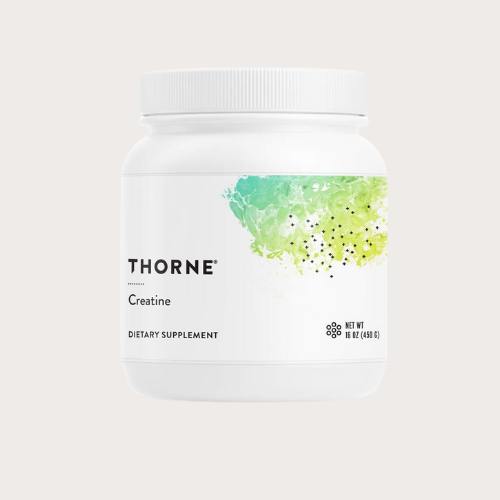


The list is short:
That’s it. For everyone else—including women 40+—creatine is a smart daily supplement.
Have you tried Creatine? If you’ve been on the fence, now’s the time to try it. Start with 3 to 5 grams of creatine monohydrate daily and stay consistent. Your future self will thank you.
Follow on Instagram and Pinterest for more inspo!


